The Circadian Edge: Why Your Morning Routine Needs a Biological Reset
Ditch the generic 5 AM club. Learn how to align your morning habits with your biological clock to unlock sustained energy, metabolic health, and mental focus.
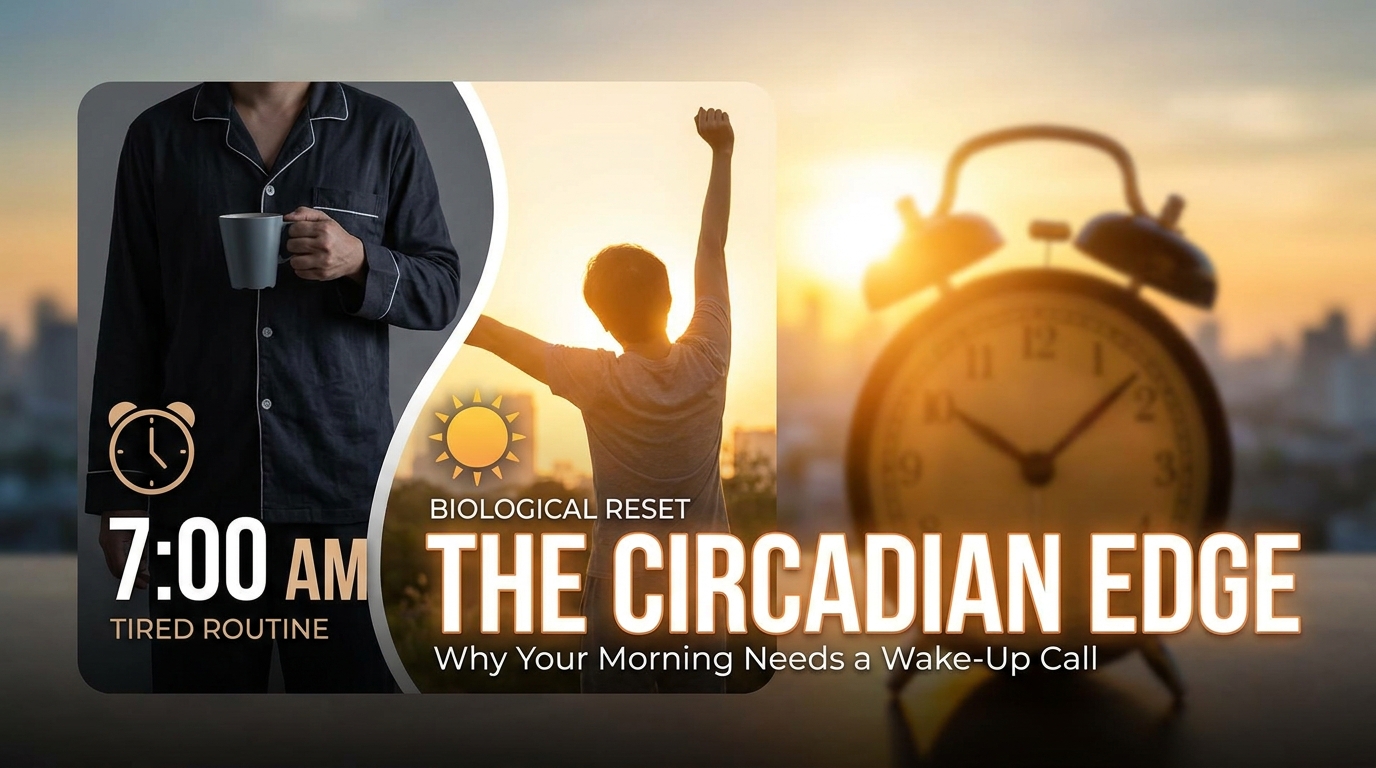
Most morning routines fail because they are built on willpower rather than biology. We have been told that waking up at 5:00 AM and jumping into a cold shower is the universal key to success. However, if that routine ignores your internal pacing—the 24-hour cycle known as your circadian rhythm—you are essentially rowing against a physiological current.
To achieve peak performance, you don't need more discipline; you need better alignment. By understanding how light, temperature, and nutrient timing interact with your hormones, you can transition from a groggy start to a state of high-output clarity. This is the science of the biological reset.
The Science of the Cortisol Awakening Response
Within 30 to 45 minutes of waking, your body experiences the Cortisol Awakening Response (CAR). This is a sharp spike in cortisol levels designed to prepare your brain and body for the demands of the day. When this response is blunted—often by hitting the snooze button or staying in a dark room—you experience lingering sleep inertia and brain fog.
Optimizing this window is the most effective way to improve your baseline health. Instead of reaching for caffeine immediately, which can interfere with your natural adenosine clearance, focus on natural light. Sunlight hitting your retinas triggers the suppression of melatonin and the healthy release of cortisol. This shift is a cornerstone of The Biological Clock Reset: How to Optimize Your Morning for Circadian Health, ensuring your internal clock stays synchronized with the external world.
Strategic Hydration and Cellular Priming
You lose a significant amount of water through respiration while you sleep. Most people start their day in a state of mild dehydration, which directly impairs executive function and mood. However, drinking a glass of plain tap water isn't always enough to restore the balance required for high-level cognitive work.
True recovery happens at the cellular level. By adding a pinch of high-quality sea salt or electrolytes to your morning water, you facilitate better transport of fluids into your cells. This approach to cellular hydration strategies for optimal health prevents the mid-morning slump that many mistake for a lack of caffeine. When your cells are adequately primed, your heart doesn't have to work as hard to circulate blood, which is a vital component of long-term cardiovascular maintenance.
Metabolic Signaling: To Eat or To Wait?
The debate over breakfast often misses the point of metabolic flexibility. Your body is designed to switch between burning stored body fat and dietary carbohydrates. For many, a morning routine that includes a period of fasted movement helps train this metabolic switch.
By delaying your first meal, you encourage the body to utilize stored glycogen and fatty acids. This practice supports metabolic flexibility and fat-burning efficiency, allowing for more stable energy levels throughout the afternoon. When you eventually break your fast, the focus should shift to nutrient density rather than just caloric volume. Choosing high-protein, high-fiber options creates a steady glucose response, avoiding the insulin spikes that lead to brain fog.
The Role of Visual Order and Cognitive Load
Your physical environment acts as an external hard drive for your brain. If your morning starts in a cluttered kitchen or a chaotic bedroom, your brain begins the day by processing micro-stressors. This drains your "decision fatigue" quota before you even start work.
Integrating a high-performance morning aesthetic helps minimize this cognitive load. Simple acts like clearing your desk the night before or ensuring your environment is flooded with natural light create a sense of psychological safety. This allows your prefrontal cortex to focus on deep work rather than managing environmental noise. This isn't about interior design; it is about reducing the friction between waking up and performing.
Building a Sustainable Longevity System
Modern health is shifting away from reactive measures. We no longer wait for symptoms to appear before we take action. Instead, we view the morning routine as a preventive care system. Every habit you stack in the first two hours of the day contributes to your long-term health span.
By prioritizing movement, light, and proper hydration, you are engaging in preventive care and longevity systems that protect your heart, brain, and metabolism. These small, daily repetitions are far more effective than an occasional weekend detox. Consistency in your morning biology builds a resilient foundation that can withstand the inevitable stresses of a modern career.
Actionable Steps for Your New Morning
- View Sunlight: Get outdoors within 20 minutes of waking. Even 5-10 minutes of indirect sunlight sets your circadian clock for the next 24 hours.
- Delay Caffeine: Wait 60 to 90 minutes before your first cup of coffee to allow your natural adenosine levels to clear.
- Hydrate with Electrolytes: Drink 16-20 ounces of water with a pinch of salt to support cellular function.
- Low-Intensity Movement: A short walk or light stretching signals to your muscles that the day has begun, aiding lymphatic drainage.
- Prioritize Protein: If you eat breakfast, aim for 30g of protein to stabilize your blood sugar for the hours ahead.
Why Small Changes Outperform Radical Overhauls
The mistake most people make is trying to adopt a dozen new habits at once. This triggers a stress response that eventually leads to burnout. The most successful routines are built through small lifestyle changes that actually work. Start by changing how your eyes interact with light in the morning. Once that becomes automatic, adjust your hydration.
By layering these biological triggers, you create a routine that feels effortless because it aligns with your DNA. You are no longer forcing yourself to be a "morning person"; you are simply allowing your body to function as it was evolved to do.
FAQ
How long does it take to reset my circadian rhythm?
Most people can see a significant shift in their energy levels and sleep quality within 3 to 7 days of consistent morning light exposure and regular wake times. The key is consistency, even on weekends.
Can I still work out in the morning if I don't eat?
Yes, fasted exercise is a great way to improve metabolic flexibility. However, if your workout is high-intensity or lasts longer than 60 minutes, you may benefit from a small, protein-rich snack to support muscle recovery and prevent excessive cortisol spikes.
What if I work in a windowless office or wake up before the sun?
If you cannot get natural sunlight, use a high-intensity light therapy lamp (10,000 lux) for 20 minutes in the morning. This provides a similar signal to your brain to suppress melatonin and initiate your daytime biological processes.