The Post-Probiotic Era: Building Resilient Microbiomes Through Dietary Diversity
Forget the pill-popping hype. Discover how to cultivate a high-performance gut microbiome through structural diversity, metabolic flexibility, and timing.
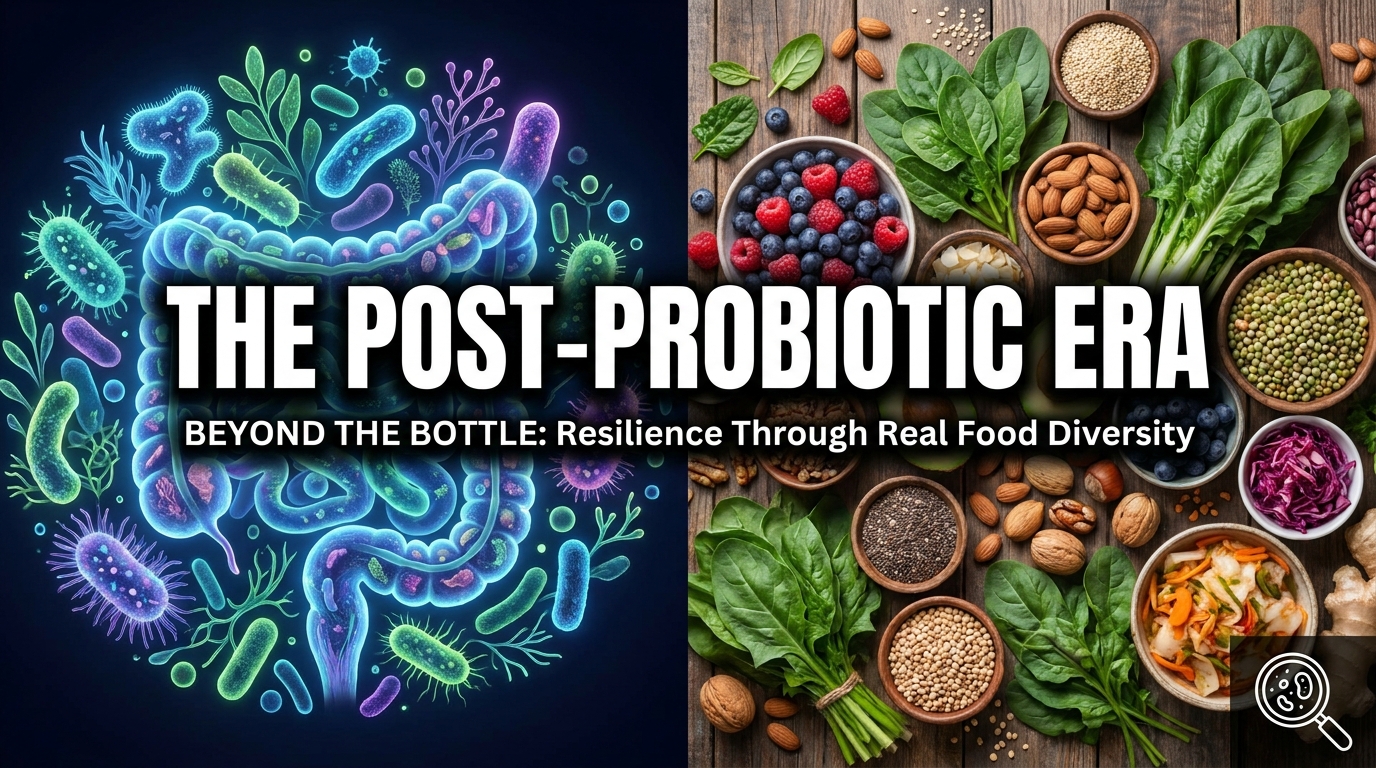
For years, the conversation around gut health was dominated by a single, reductionist solution: take a probiotic pill. We were told that a single strain of bacteria in a capsule could counteract a week of high-stress deadlines and processed meals. But as we move deeper into 2026, the science has shifted. We are entering the post-probiotic era, where the focus has moved from merely adding external bacteria to cultivating a robust, internal ecosystem through structural diversity and metabolic resilience.
Your gut is not a static tank that needs refilling; it is a complex bioreactor. When this system is optimized, it influences everything from your cognitive clarity to your immune response. To achieve peak performance, we must stop looking for the next "super-strain" and start building a lifestyle that supports microbial wealth.
The Diversity Metric: Why 30 Plants a Week is the New Gold Standard
The most significant predictor of a healthy gut is not the presence of one specific bacteria, but the variety of species living there. High microbial diversity is linked to lower rates of inflammation and better weight management. Research suggests that individuals who consume 30 or more different types of plant foods per week have significantly more diverse microbiomes than those who eat fewer than ten.
This doesn't mean you need to become a vegetarian. It means focusing on the "Post-Macro" approach to eating. Instead of just hitting your protein and carb targets, you should prioritize the variety of fibers and polyphenols. By focusing on nutrient density and timing, you provide the raw materials for a wide array of beneficial bacteria to thrive. Think of seeds, nuts, herbs, and different colored vegetables as specialized fuel for different microbial colonies.
Metabolic Flexibility and the Microbiome
There is a profound connection between how your body processes fuel and the health of your gut. When you train your body to switch efficiently between burning glucose and burning fat, you create a metabolic environment that discourages the overgrowth of opportunistic, inflammatory bacteria.
Developing metabolic flexibility helps stabilize blood sugar, which in turn prevents the "sugar-and-crash" cycles that can disrupt the gut lining. A stable internal environment allows for the production of short-chain fatty acids (SCFAs) like butyrate, which are essential for repairing the intestinal wall and reducing systemic inflammation. This shift from managing symptoms to building a resilient system is the hallmark of modern preventive care and longevity systems.
The Circadian Rhythm of Digestion
Your gut microbes have their own internal clocks. They perform different functions during the day than they do at night. During daylight hours, they focus on metabolism and energy extraction. At night, they shift toward repair and maintenance of the gut barrier.
When we eat late at night or keep erratic schedules, we induce "metabolic jet lag." This disrupts the microbiome's ability to protect the gut lining. Optimizing your morning routine for circadian health sets the stage for better digestion throughout the day. By aligning your eating window with your natural light-dark cycles, you give your gut the necessary downtime to regenerate.
Practical Steps for Gut Resilience
- The Spice Rotation: Use at least five different dried herbs or spices daily. These are concentrated sources of polyphenols that act as prebiotics.
- Hydration Dynamics: Proper gut function requires more than just drinking water. It requires cellular hydration to ensure that the mucosal lining of the gut remains thick and protective.
- Fermented Over Formulated: Prioritize live-culture foods like kimchi, kefir, and sauerkraut over supplements. These provide a matrix of bacteria, enzymes, and organic acids that pills cannot replicate.
The Gut-Brain Axis: Mental Clarity Starts in the Colon
If you find yourself struggling with brain fog or midday slumps, the culprit might not be your caffeine intake, but your gut-brain axis. The vagus nerve acts as a bidirectional highway between your digestive system and your brain. Approximately 95% of your body's serotonin is produced in the gut.
When the microbiome is out of balance, it sends distress signals to the brain, manifesting as anxiety or lack of focus. This is why a daily wellness routine for busy people must include gut-supportive habits. It is impossible to maintain high-level cognitive output if your gut is in a state of constant low-grade inflammation. Small, consistent actions, such as taking a five-minute walk after meals, can significantly improve digestion and, by extension, mental performance. For more on this, look into small lifestyle changes for better health that actually work.
Moving Beyond Symptom Management
Traditional approaches to gut health often wait for a problem—bloating, indigestion, or fatigue—before taking action. The modern perspective is proactive. We treat the microbiome as an asset to be managed and grown, much like a high-yield investment. By creating a lifestyle that prioritizes microbial diversity, we are not just avoiding discomfort; we are optimizing for a longer, more vibrant life.
This systemic approach ensures that every part of the body functions at its peak. For instance, few people realize that vascular health and gut health are linked. Inflammation starting in the gut can eventually affect the heart, contributing to why even fit people are at risk of a heart attack if they ignore the underlying systemic markers of health.
Summary of Actionable Strategies
To move into the post-probiotic era, adopt these three pillars:
- Diversity over Quantity: Eat a wider variety of plants, not just more of the same three vegetables.
- Timing over Restriction: Eat within daylight hours to support your microbial circadian rhythm.
- Whole Systems Thinking: Understand that your gut health is tied to your hydration, your sleep, and your stress levels.
FAQ
Should I stop taking my probiotic supplement?
Not necessarily. Supplements can be helpful for specific therapeutic goals, such as recovering from a course of antibiotics. However, they should not be seen as a replacement for dietary diversity. Think of them as a temporary "niche" fix rather than a long-term foundation.
How long does it take to change my microbiome?
Research shows that microbial populations begin to shift within 24 to 48 hours of a significant dietary change. However, to build a truly resilient ecosystem that can withstand stress, you need to maintain these habits for several months.
Are "gut health" drinks like kombucha actually healthy?
Kombucha can be a great source of beneficial acids and some bacteria, but many commercial versions are loaded with sugar. High sugar intake can feed the very bacteria you are trying to minimize. Always check the label for added sugars or, better yet, opt for unsweetened fermented foods like plain Greek yogurt or fermented vegetables.