The Silent Warning Signs of a Blood Clot You Should Never Ignore
Blood clots often whisper before they shout. Learn the subtle symptoms in the legs, lungs, chest, and brain that doctors wish more people recognized early.

Blood clots are one of medicine's quietest killers. They rarely announce themselves with the dramatic chest-clutching scenes television trained us to expect. Instead, they begin with small, easily dismissed symptoms — a calf that feels a little tight, a breath that doesn't quite fill the lungs, a headache that doesn't match the day. By the time the warning becomes obvious, the clot has often already moved.
As clinicians, the cases that stay with us are not the textbook ones. They are the patients who said, "I thought I just slept on it wrong," or "I figured I was out of shape." Recognizing the silent warning signs of a blood clot early can be the difference between a course of blood thinners and a stroke, pulmonary embolism, or sudden death.
What a Blood Clot Actually Is
A blood clot, or thrombus, is a gel-like clump of blood cells and proteins. Clotting is essential — it stops you from bleeding to death from a paper cut. The danger begins when a clot forms inside a vein or artery where it shouldn't, blocking blood flow.
The two patterns that matter most for everyday awareness are:
- Deep vein thrombosis (DVT): a clot in a deep vein, usually in the calf or thigh.
- Pulmonary embolism (PE): a piece of that clot breaks off, travels through the heart, and lodges in the lungs.
According to the CDC, as many as 900,000 Americans are affected by DVT or PE each year, and an estimated 60,000–100,000 die from it — many within hours of the first symptom. Globally, venous thromboembolism is one of the leading preventable causes of hospital death.
The tragedy is that the early signs are usually present for days before things turn critical. Most people just don't recognize them.
Why Blood Clots Are So Easy to Miss
Unlike a heart attack, a forming clot usually produces no crushing pain. The symptoms are subtle and easy to attribute to something else:
- A long flight or car ride
- A new workout
- Pregnancy or postpartum discomfort
- Sitting too long at a desk
- "Just getting older"
Add to that the fact that nearly half of all DVTs are initially silent — meaning the person feels nothing in the leg before the clot travels to the lungs — and you can see why early detection is so difficult. The body simply doesn't scream the way we expect it to.
Silent Warning Signs in the Legs (DVT)
The leg is where most dangerous clots begin. Pay attention to the following, especially if they are on one side only:
1. One-sided swelling
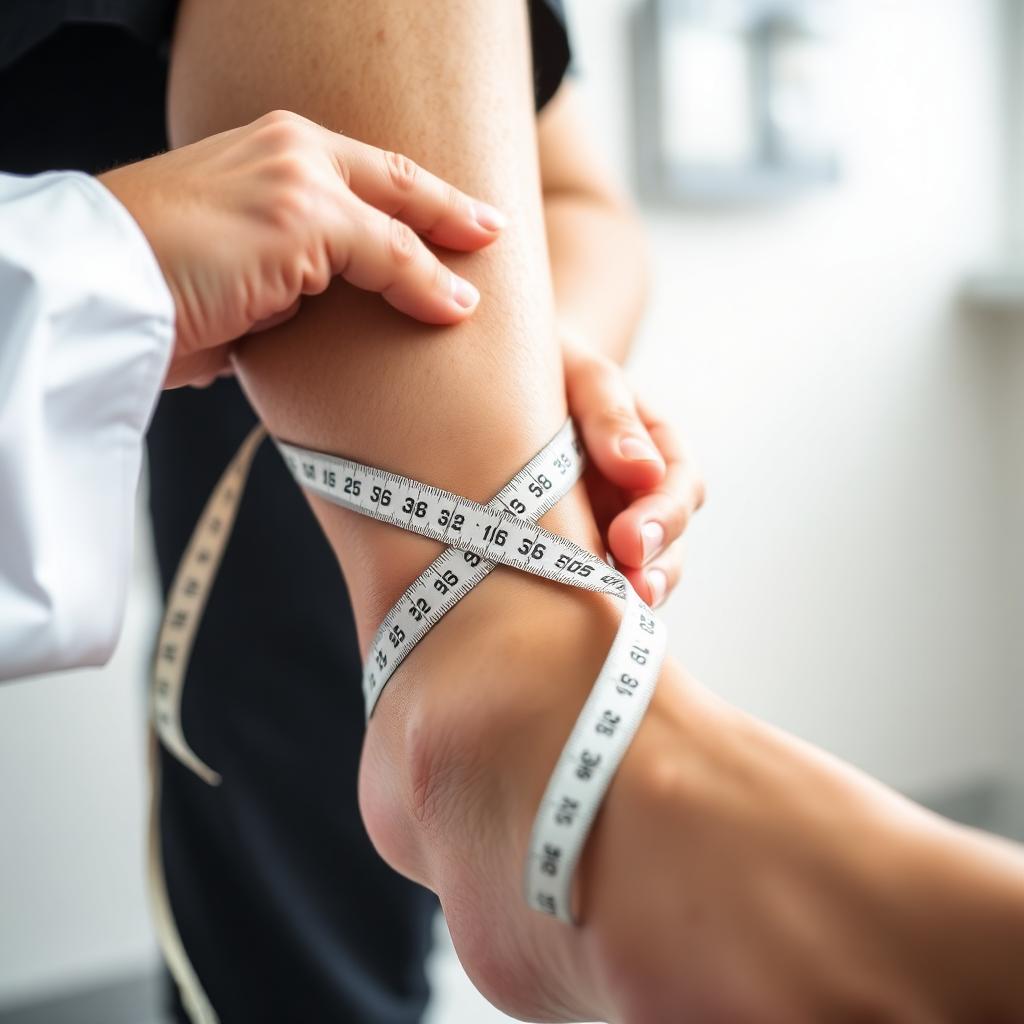
If one calf or ankle is noticeably larger than the other, treat it seriously. A measurable difference of more than 3 cm in calf circumference between the two legs is a classic DVT clue. Both legs swelling equally is usually less concerning.
2. A "pulled muscle" that wasn't pulled
A deep, cramp-like ache in the calf that you can't remember injuring — particularly one that worsens when you stand or walk — deserves attention. Patients often describe it as "a charley horse that won't go away."
3. Warmth or redness over a vein
An area of skin that feels warmer than the surrounding leg, sometimes with a faint pink or reddish-purple discoloration, can indicate inflammation around a clot.
4. Visible, ropy surface veins
This is more typical of superficial thrombophlebitis than deep DVT, but a new, tender, cord-like vein can sometimes be the first visible clue that deeper clotting is also occurring.
5. Heaviness disproportionate to activity
A leg that feels unusually heavy, fatigued, or "full" after minimal walking — particularly after a long trip or recent surgery — can reflect impaired venous return from a clot.
Silent Warning Signs in the Lungs (PE)
A pulmonary embolism is what kills most people who die from blood clots, and its early symptoms are notoriously easy to brush off as anxiety, asthma, or being out of shape.
1. Breathlessness that doesn't match what you're doing
Walking to the kitchen and feeling winded. Climbing one flight of stairs and needing to stop. This is one of the most common early PE symptoms — and the one most often dismissed.
2. Sharp chest pain that worsens with a deep breath
Unlike heart attack pain, PE chest pain is often described as pleuritic — a stabbing pain on inhalation that improves when you breathe shallowly. People often think they've "pulled something" coughing.
3. A sudden, unexplained dry cough
Sometimes accompanied by a small amount of pink-tinged or blood-streaked sputum. Even a single episode warrants attention if your risk factors are elevated.
4. A racing heart at rest
The lungs become inefficient at oxygenating blood when blocked by a clot, and the heart compensates by beating faster. A resting heart rate that climbs above your normal baseline — particularly above 100 bpm with no obvious cause — is a red flag.
5. Lightheadedness or near-fainting
A large PE can drop blood pressure suddenly. If you feel like you might pass out when you stand, especially combined with shortness of breath, do not wait it out at home.
Silent Warning Signs in the Brain and Heart
Clots can also form in arteries, where they cause strokes and heart attacks. The signs are different but equally time-sensitive.
- Stroke (BE FAST): Sudden Balance loss, Eye changes, Face drooping, Arm weakness, Speech difficulty — Time to call emergency services. Even brief episodes that resolve (TIAs) are urgent warnings.
- Heart attack: Pressure or squeezing chest discomfort, pain radiating to the jaw, arm, or back, cold sweat, nausea, and unusual fatigue — especially in women, who often present without classic chest pain.
Any of these signs require emergency evaluation, not a wait-and-see approach.
Who Is at Higher Risk
Clots don't happen at random. The strongest risk factors include:
- Recent surgery, especially orthopedic (hip, knee)
- Long-haul travel (>4 hours immobile)
- Pregnancy and the 6 weeks postpartum
- Combined hormonal contraceptives or hormone replacement therapy
- Active cancer or recent chemotherapy
- Obesity, smoking, and uncontrolled high blood pressure
- Inherited clotting disorders (Factor V Leiden, antiphospholipid syndrome)
- Severe infection or hospitalization
- Age over 60
If you have any of these and develop the symptoms above, the threshold for seeking care should be much lower. The science of risk reduction is also the same foundation as broader cardiometabolic health — our guide to the 6 most important things you can do for your health covers the daily habits with the largest impact on circulation.
What to Do If You Suspect a Clot
- Don't massage the area. This will not "break it up" and could dislodge it.
- Don't take aspirin and wait. Aspirin is not adequate treatment for a venous clot.
- Don't drive yourself if you're short of breath or dizzy. Call emergency services.
- Do go to urgent care or the ER if symptoms are isolated to a swollen leg without breathing changes.
- Do mention every risk factor — recent flight, surgery, medication, family history. It changes how seriously clinicians take ambiguous symptoms.
Diagnosis is usually straightforward and non-invasive: a D-dimer blood test, ultrasound of the leg, or CT pulmonary angiogram can confirm or rule out a clot within hours.
Prevention: Small Habits, Large Effect
Most clots are preventable. The evidence-based basics are unglamorous but powerful:
- Move every 60–90 minutes, especially on long flights, drives, or workdays. Ankle pumps and short walks dramatically reduce venous stasis.
- Hydrate. Dehydration thickens the blood.
- Don't smoke. Smoking damages the lining of blood vessels and is one of the strongest modifiable risk factors.
- Maintain a healthy weight and blood pressure.
- Use compression stockings during long travel or after surgery if your clinician recommends them.
- Discuss your risk before starting hormonal contraception or HRT, especially if you smoke or have a family history of clots.
For a broader look at habits that support cardiovascular and circulatory health, our Health category has detailed evidence-based guides, including one on what vitamin D really does in the body.
The Bottom Line
Blood clots rarely arrive with fanfare. They arrive as a sore calf you almost ignored, a flight of stairs that left you unusually winded, a heartbeat that seemed faster than it should be. Listening to those quiet signals — and acting on them within hours rather than days — is one of the most important pieces of self-knowledge a person can carry.
If something feels off, especially after surgery, travel, pregnancy, or a long stretch of immobility, trust that instinct. A few hours in urgent care is a small price for ruling out something that, untreated, can take a life in minutes.
FAQ
Can a blood clot go away on its own?
Small clots can sometimes be broken down by the body's natural anticoagulant system, but you cannot know which ones will. Untreated DVT carries a meaningful risk of pulmonary embolism, so suspected clots always need medical evaluation rather than watchful waiting.
What does the early pain of a blood clot feel like?
Most people describe it as a deep, cramping ache or tightness in one calf — similar to a pulled muscle, but without a clear injury. It often worsens with standing or walking and may be accompanied by warmth or one-sided swelling.
Can young, healthy people get blood clots?
Yes. Long flights, hormonal contraception, pregnancy, recent surgery, COVID-19, and inherited clotting disorders can all cause clots in otherwise healthy adults. Age lowers risk only relatively — it does not remove it.