How Your Heart Slowly Starts to Fail: The Quiet Decline No One Talks About
Heart failure rarely arrives overnight. It builds for years through subtle changes most people mistake for aging. Here is how the decline actually unfolds — and where it can be stopped.
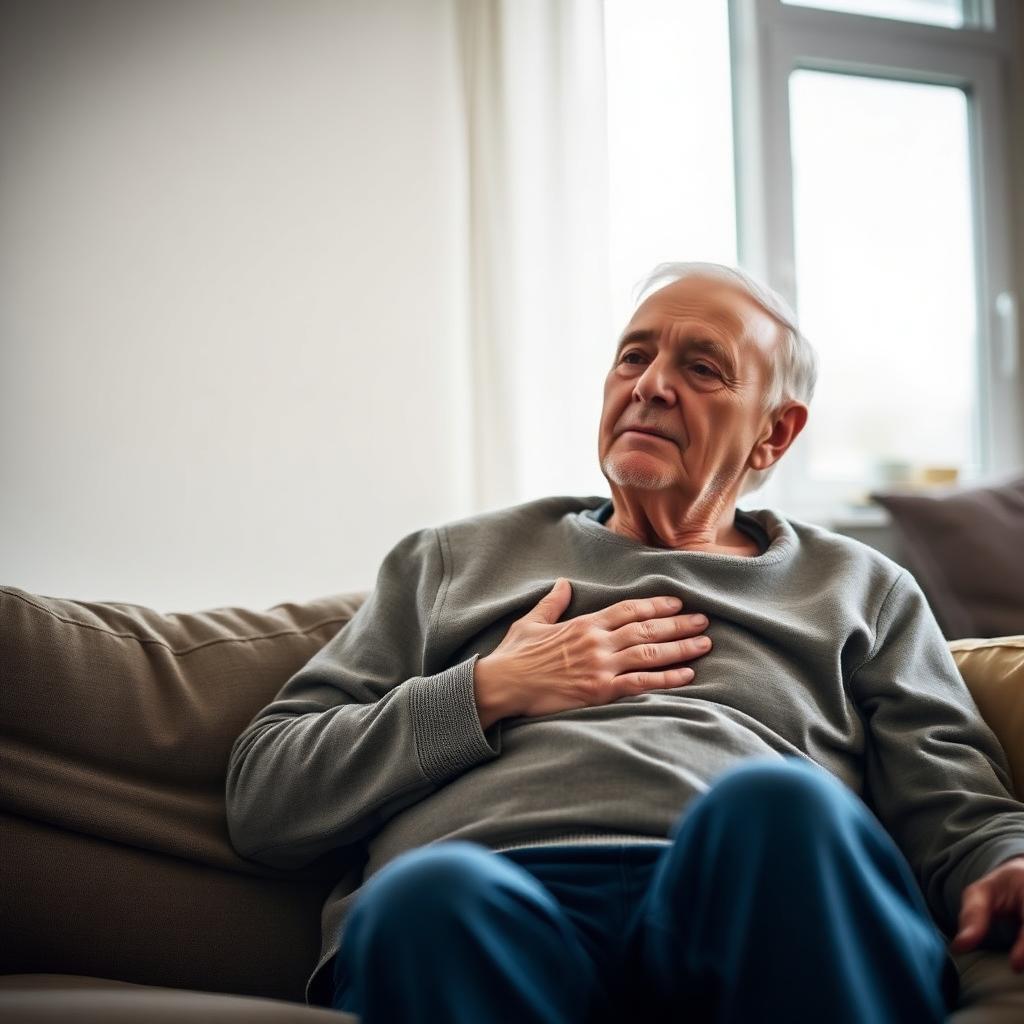
When people picture heart failure, they imagine a dramatic collapse. A clutched chest. An ambulance. The reality is almost the opposite. The heart usually fails the way a roof fails — slowly, quietly, leak by leak — until one ordinary day it cannot keep up with an ordinary life.
As clinicians, we rarely meet patients at the moment their heart "fails." We meet them years into the decline, often after they've adapted to symptoms so gradually they stopped noticing. Understanding how your heart slowly starts to fail is the single best way to catch it before it becomes irreversible.
What Heart Failure Actually Is
Heart failure does not mean the heart has stopped. It means the heart can no longer pump enough blood — or fill with enough blood — to meet the body's needs. According to the American Heart Association, more than 6 million adults in the United States live with heart failure, and that number is expected to rise above 8 million within the next decade.
There are two broad patterns:
- HFrEF (heart failure with reduced ejection fraction): the muscle is weak and can't squeeze hard enough.
- HFpEF (heart failure with preserved ejection fraction): the muscle is stiff and can't relax to fill properly.
Both produce similar symptoms, and both develop slowly. By the time a diagnosis is made, the underlying damage has often been progressing for 5 to 15 years.
Stage 1: The Silent Strain (Years Before Symptoms)
This is the stage almost no one notices. The heart is still working, but the conditions that will eventually exhaust it are already in motion:
- Untreated high blood pressure, forcing the left ventricle to push against constant resistance
- Type 2 diabetes and chronic high blood sugar, damaging small blood vessels in the heart muscle
- Coronary artery disease, narrowing the arteries that feed the heart
- Untreated sleep apnea, repeatedly dropping oxygen and spiking blood pressure overnight
- Long-term obesity, increasing the volume of blood the heart must move
- Heavy alcohol use or recreational stimulants
During this stage there are no symptoms. The only warnings live in numbers: blood pressure readings, A1C, cholesterol, and resting heart rate. This is why guideline groups now treat prevention of heart failure as a clinical stage of heart failure itself — Stage A in the AHA classification. The damage is already starting; the patient just can't feel it yet.
If you want a practical foundation for slowing this stage, our guide to the 6 most important things you can do for your health covers the daily habits with the largest cardiovascular impact.
Stage 2: The Adaptation You Don't Notice
As strain continues, the heart compensates. It thickens its walls. It enlarges its chambers. It releases hormones to retain salt and water so there's more blood to pump. In the short term, this works — you feel fine. In the long term, every one of these adaptations slowly damages the heart further.
The earliest symptoms appear here, and they are almost always dismissed:
- Mild breathlessness climbing one flight of stairs you used to climb easily
- Fatigue by mid-afternoon that wasn't there a year ago
- Heart rate that climbs faster than expected on light activity
- A subtle drop in exercise tolerance — needing to slow down on familiar walks
- Sleep disturbance, especially waking up needing to breathe deeply or use the bathroom multiple times
Most people attribute these to aging, weight, stress, or being "out of shape." In reality, they are the first messages from a heart that is having to work harder to do the same job.

Stage 3: The Symptoms That Finally Get Attention
By the time most people see a doctor, the heart has been struggling for years. The signs at this stage are harder to ignore:
1. Shortness of breath that comes on lying flat
Known as orthopnea, this is one of the most specific clues. People start needing two or three pillows to sleep, or move to a recliner. Fluid that the upright body shifts into the legs redistributes to the lungs when you lie down.
2. Waking up gasping in the middle of the night
Paroxysmal nocturnal dyspnea — sudden breathlessness that forces you upright after a few hours of sleep — is a classic heart failure symptom and rarely caused by anything else benign.
3. Swelling in the ankles, feet, or abdomen
When the right side of the heart can't keep up, fluid backs up into the body. Socks leave deep marks. Shoes feel tight by evening. Rings stop sliding off. Weight may rise by several pounds in a few days without diet changes — a critical warning sign clinicians ask patients to track at home.
4. A persistent cough or wheeze
Often misdiagnosed as asthma or bronchitis. The cough is typically dry, worse at night, and may produce frothy, pink-tinged sputum in advanced cases.
5. Loss of appetite or nausea
A congested liver and gut from backed-up blood can make food feel unappealing or cause early fullness after small meals. People sometimes lose weight even as fluid accumulates.
6. Brain fog, low mood, or confusion
Reduced blood flow to the brain produces sluggish thinking, irritability, and depression — frequently mistaken for stress, dementia, or normal aging.
Stage 4: When the Compensation Breaks Down
In advanced heart failure, the body can no longer hide the problem. Walking across a room becomes exhausting. Sleeping flat becomes impossible. Hospitalizations begin, often triggered by salty meals, missed medication, or infections. Each hospital admission typically marks a permanent step down in function.
The sobering truth, documented across multiple long-term studies, is that survival after a heart failure diagnosis is comparable to many cancers — roughly 50% at five years. The good news is that modern treatment now meaningfully changes that curve, especially when started early. Catching the disease in Stage 1 or 2 changes life expectancy far more than catching it in Stage 4.
What Actually Causes It
The leading drivers are predictable and largely modifiable:
- High blood pressure (the single biggest contributor)
- Coronary artery disease and prior heart attacks
- Type 2 diabetes
- Obesity and metabolic syndrome
- Untreated sleep apnea
- Chronic heavy alcohol or stimulant use
- Certain chemotherapy drugs (anthracyclines, trastuzumab)
- Viral myocarditis, including some post-viral inflammatory cases
- Atrial fibrillation allowed to run uncontrolled for long periods
Genetics matter — but for most adults, day-to-day choices and treatment of routine conditions matter more.
How to Slow or Stop the Decline
The interventions with the strongest evidence are unglamorous. They are also extraordinarily effective when applied consistently.
- Treat blood pressure to target. Even a 10 mmHg reduction in systolic BP cuts heart failure risk substantially.
- Address diabetes early. Newer medications such as SGLT2 inhibitors now prevent and treat heart failure directly.
- Move daily. 150 minutes a week of moderate activity, plus 2 sessions of resistance training, improves cardiac output and lowers mortality.
- Get sleep apnea evaluated. Loud snoring with daytime fatigue is not normal; untreated apnea is one of the most under-recognized accelerators of heart failure.
- Limit alcohol to no more than light, occasional use. Daily drinking — even "moderate" — measurably weakens the heart over years.
- Don't smoke. Smoking damages coronary arteries and the heart muscle directly.
- Watch your weight trend — both body weight and, if you have known heart disease, daily weight changes that signal fluid retention.
- Eat for the heart, not against it. A Mediterranean-style pattern — vegetables, legumes, fish, olive oil, whole grains — outperforms almost every fad diet for cardiovascular outcomes.
- Take symptoms seriously early. Unexplained fatigue, breathlessness, or swelling deserves an evaluation that may include a BNP blood test, ECG, and echocardiogram.
For more evidence-based health writing, explore our full Health category, including our guide to the silent warning signs of a blood clot — another condition that begins quietly and demands early recognition.
The Bottom Line
The heart almost never fails suddenly. It fails the way a long bridge fails — small cracks under repeated load, ignored for years, until one day the structure can no longer support what it used to carry effortlessly. The earlier in that process you intervene, the more of your heart you keep.
If you find yourself slowing down on stairs, sleeping propped up, noticing your ankles, or feeling more tired than your peers — don't wait for the diagnosis to make itself obvious. The most powerful moment in heart failure care is the one that happens before the heart starts to fail.
FAQ
What is the very first sign that your heart is starting to fail?
For most people, the first sign is a gradual drop in exercise tolerance — being unusually breathless or fatigued doing activities you used to handle easily. This often appears years before swelling or orthopnea, and is easy to mistake for aging or being out of shape.
Can heart failure be reversed?
Some causes — alcohol-related, postpartum, viral, or tachycardia-induced cardiomyopathy — can partially or fully reverse with treatment. Most chronic heart failure cannot be reversed, but modern therapy can stabilize the disease, improve symptoms, and substantially extend life when started early.
Is heart failure the same as a heart attack?
No. A heart attack is sudden blockage of a coronary artery that damages heart muscle. Heart failure is the chronic condition in which the heart can no longer pump effectively. A heart attack is one of the most common causes of heart failure, but they are distinct diagnoses.