The High-Resolution Listener: Why Passive Hearing Is Killing Modern Relationships
Stop just waiting for your turn to speak. Learn how high-resolution listening transforms surface-level chatter into deep, unbreakable emotional connection.
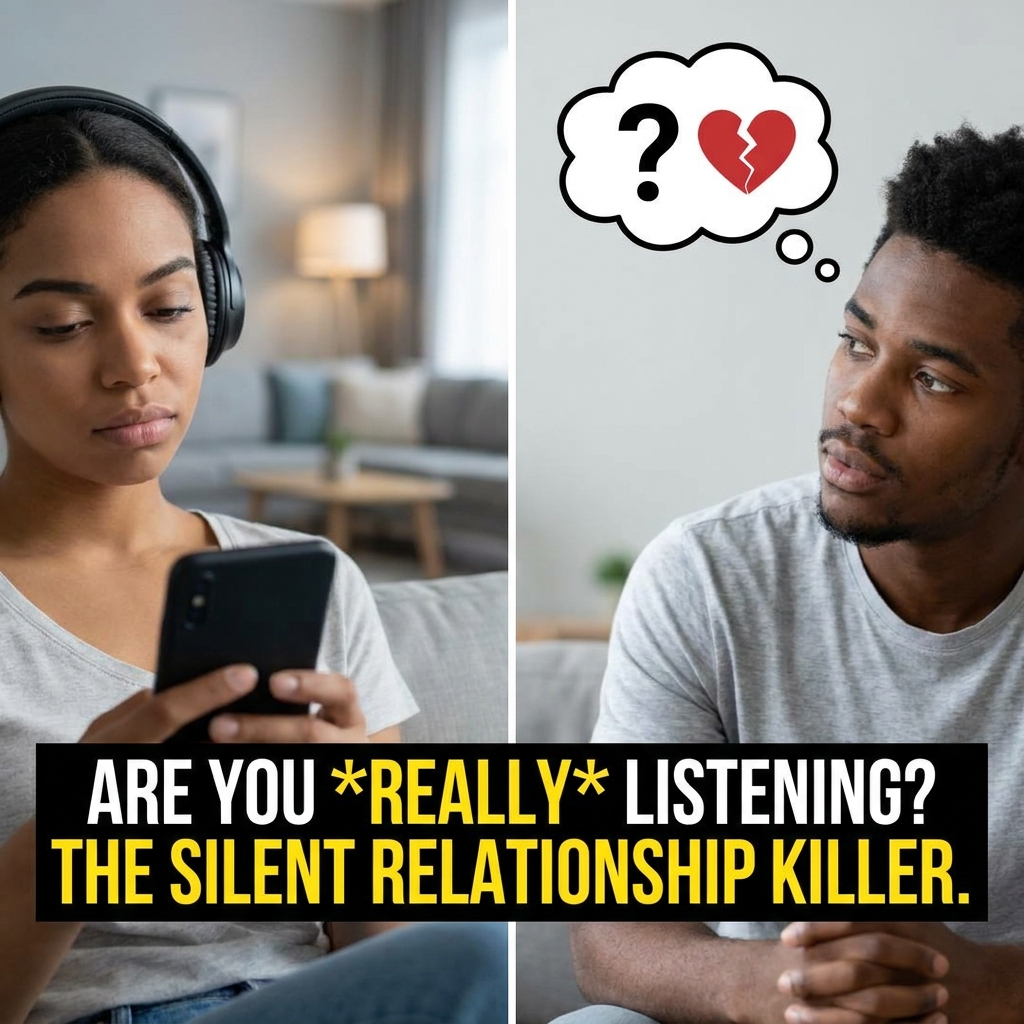
We live in an era of constant noise, yet we’ve never been worse at actually hearing one another. You’ve likely experienced the frustration of pouring your heart out to a partner, only to realize they are mentally drafting their rebuttal or, worse, scrolling through a feed. This isn't just a minor annoyance; it is the silent killer of modern intimacy.
Most people approach communication as a competitive sport or a transaction. We listen just enough to find a gap where we can insert our own opinion. But in 2026, the most valuable currency in a relationship isn't just time—it is presence. To thrive, we must move beyond basic active listening into what I call "High-Resolution Listening." This is the ability to perceive the subtext, the emotional frequency, and the unsaid needs behind your partner’s words.
The Crisis of Surface-Level Connection
When communication fails, we often blame the words used. We think we need a better vocabulary or a more logical argument. In reality, the failure happens in the reception. Passive listening—where you hear the sounds but don't process the intent—creates a vacuum of loneliness.
If you find yourself constantly misunderstood, it might be time for The Intentional Dating Framework, which emphasizes that connection requires a strategic shift in how we show up. Without high-resolution listening, even the best intentions fall flat. You aren't just looking for data; you are looking for the "why" behind the "what."
The Three Pillars of High-Resolution Listening
To upgrade your listening software, you need to focus on three distinct areas that move the needle from basic comprehension to deep connection.
1. Radical Presence and Digital Hygiene
High-resolution listening cannot happen while a smartphone is within your line of sight. Research shows that the mere presence of a phone on a table reduces the quality of a conversation. Modern intimacy requires a sacred space where the external world is muted. When your partner is speaking, your eyes should be focused on them, not as a performance, but as a commitment to their reality.
2. Decoding the Emotional Subtext
People rarely say exactly what they feel. Instead of saying, "I feel neglected," a partner might say, "You’re always at the gym." A low-resolution listener hears a complaint about the gym and defends their health routine. A high-resolution listener hears the underlying request for quality time. This level of perception is what separates long-term success from repetitive cycles of bickering.
3. Reflective Validation
Validation is not the same as agreement. You can validate that your partner feels hurt without admitting you did something wrong. By reflecting back what you heard—"It sounds like you're feeling overwhelmed because the household chores are falling on you lately"—you prove that you have successfully downloaded their perspective. This is a core component of The Conflict De-Escalation Framework, turning a potential explosion into a collaborative problem-solving session.
Why Being "Right" is a Relationship Trap
The biggest obstacle to effective communication is the desire to win. In a relationship, if one person wins an argument, the relationship loses. When you listen with the intent to refute, you stop being a partner and start being a prosecutor.
This defensiveness often stems from a fear of losing autonomy or being controlled. However, by shifting your focus to understanding, you actually gain more influence. When a partner feels truly heard, their defensive walls drop, making them much more likely to hear your perspective in return. If you notice your partner pulling away during these moments, it could be that her distance is actually a test of whether you can handle the emotional weight of the conversation without folding or lashing out.
The Habit of the "Hear-Back"
If you want a practical tool to implement tonight, use the "Hear-Back" method. Before you respond to any statement involving emotions or conflict, say: "What I’m hearing you say is [X]. Is that right?"
Don't move forward until they say yes. This simple audit prevents hours of circular arguing based on misinterpretations. This practice fits perfectly into The Micro-Marriage Shift, where small, consistent habit changes lead to massive improvements in relationship longevity.
Navigating Silence and Non-Verbal Cues
Communication isn't just about the words spoken; it's also about the gaps between them. Sometimes, the most important thing a partner says is what they omit. If you notice a sudden change in texting frequency or a shift in tone, don't ignore it. Understanding why she stops texting often requires looking at the non-verbal patterns that preceded the silence.
High-resolution listeners pay attention to:
- Body Language: Are they turned toward you or angled away?
- Micro-expressions: Does a flash of sadness cross their face before they mask it with a smile?
- Tone of Voice: Is the "I'm fine" delivered with a sigh or a sharp edge?
By acknowledging these cues—"I noticed you looked a bit down when you mentioned work, do you want to talk more about that?"—you demonstrate a level of care that builds immense trust. It moves you past the surface and into the modern emotional dialects that define 2026 relationships.
Actionable Steps for Better Communication
- The 10-Minute Tech-Free Window: Spend the first ten minutes after you both get home with all devices in another room. Focus entirely on reconnecting.
- Ask Open-Ended Questions: Replace "Did you have a good day?" with "What was the most challenging part of your afternoon?"
- Practice Emotional Labeling: If your partner is venting, help them label the emotion. "That sounds incredibly frustrating" is more helpful than "Here is what you should do."
- Pause Before Responding: Take three seconds after they finish speaking before you open your mouth. This ensures they are actually done and gives you time to process.
Conclusion: The Power of Being Seen
At the end of the day, every human being has a fundamental desire to be seen and understood. Modern life provides a million distractions that prevent this, but mastering high-resolution listening allows you to cut through the static. It turns communication from a source of stress into a source of strength.
When you stop hearing and start listening, you don't just solve problems—you build a foundation that can weather any storm. Whether you are navigating the early stages of dating or a decade-long marriage, the quality of your relationship will always be capped by the quality of your listening.
FAQ: Mastering Modern Communication
How do I stay focused when my partner is venting about something I find boring?
High-resolution listening isn't about the topic; it's about the person. Even if the details of their office drama don't interest you, their emotional state (stress, pride, anger) should. Focus on identifying the emotion they are feeling rather than the specific details of the story.
What if my partner refuses to communicate openly despite my efforts?
Communication is a two-way street. If you are practicing these techniques and getting nothing back, it may be time to evaluate the dynamic. Sometimes, giving her space can allow for a reset, but persistent stonewalling is a separate issue that may require professional counseling.
Is it possible to "over-communicate" in a relationship?
Yes. Over-communication often happens when we process every passing thought out loud, leading to emotional fatigue. The goal isn't to say everything, but to ensure that what is said is heard with high resolution. Quality always beats quantity.