Underrated Places to Live Inexpensively in Europe
Discover underrated places to live inexpensively in Europe, from Ljubljana and Porto to Plovdiv and Tartu. A practical guide for expats, remote workers, and retirees seeking value and authenticity.
Underrated Places to Live Inexpensively in Europe
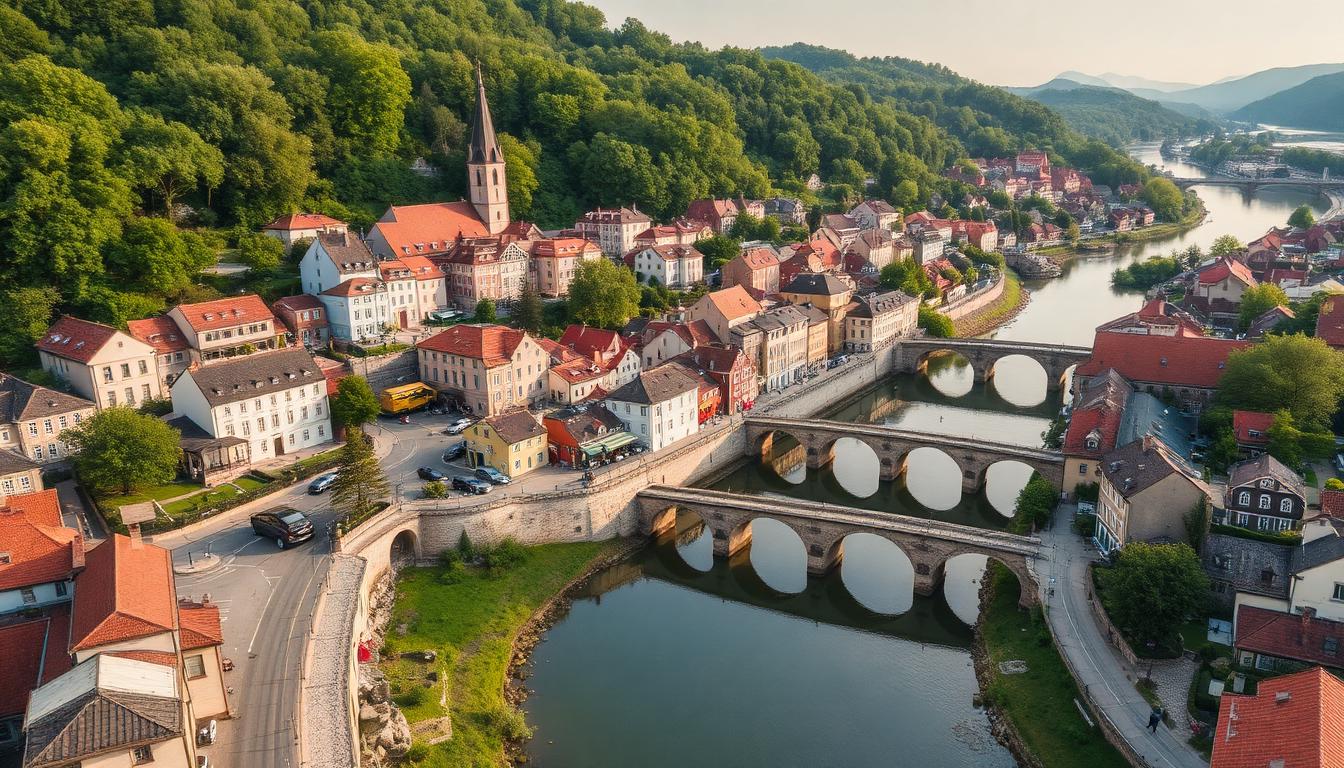
For years, the dream of European relocation flourished in the shadow of giants like Paris, Rome, and Barcelona. Yet, as inflation climbs and the most famous capitals become saturated with "over-tourism," a new wave of expats, remote workers, and retirees is looking elsewhere. Finding underrated places to live inexpensively in Europe is no longer just about saving a few Euros; it is about reclaiming a quality of life that includes shorter commutes, authentic local interactions, and a lower cost of entry for high-end amenities. By stepping off the beaten path, you can enjoy the structural reliability of the European Union without the staggering price tag of its major hubs.
Why Choose an Underrated European Destination?
Choosing a lesser-known destination offers a distinct "first-mover" advantage. While global nomads scramble for housing in Lisbon or Berlin, those settling in secondary cities often find a warmer welcome from locals and a much more favorable rental market. These cities are frequently the academic or cultural hearts of their respective countries, meaning they boast high-speed internet, reliable public transit, and vibrant arts scenes, all while maintaining a "village" feel where you aren't just another face in a sea of tourists.
When you look beyond the headlines, you find regions where your budget stretches twice as far, allowing for frequent dining out and weekend explorations. If you are comparing your options on a global scale, it is also worth looking at Developed & Cheap Countries to Live in the World to see how Europe stacks up against other continents.
Underrated Places to Live Inexpensively in Europe
Ljubljana, Slovenia
Often described as a "miniature Switzerland" but at a fraction of the cost, Ljubljana is one of Europe’s greenest capitals. The city center is car-free, filled with riverside cafes and Baroque architecture, offering a high safety rating and excellent infrastructure for families. It is an ideal base for outdoorsy expats who want to be an hour away from both the Julian Alps and the Adriatic coast.
Porto, Portugal
While Lisbon grabs the headlines, Porto offers a more rugged, soulful, and affordable alternative in the north. The cost of rent remains lower than in the capital, yet you still enjoy world-class wine culture, a burgeoning tech scene, and a stunning Atlantic coastline. For those scouting the region, it’s a top contender alongside the Best Cities to Settle in the Mediterranean 2026.
Gdańsk, Poland
Located on the Baltic Sea, Gdańsk is a maritime gem with a reconstructed Old Town that rivals any in Western Europe. The "Tricity" area (Gdańsk, Sopot, and Gdynia) provides a unique blend of urban history, beachside living, and a low cost of living that is particularly attractive to remote workers in the IT sector. It’s a clean, efficient, and culturally rich city where English is widely spoken among the younger generation.
Graz, Austria
Graz is Austria’s best-kept secret, offering the sophisticated lifestyle of Vienna without the high-end price tags. As a UNESCO City of Design and a major university hub, it maintains a youthful, innovative energy bolstered by incredible Styrian food markets and Mediterranean-style courtyards. It is perfectly positioned for those who value Austrian organization and safety but want a more intimate community.
Brno, Czechia
Brno is often overshadowed by Prague, but for residents, this is its greatest strength. It is the judicial and educational heart of the country, featuring a quirky, avant-garde bar scene and a much more relaxed pace of life than the capital. Living costs are significantly lower here, yet the high-speed rail connections make it easy to reach Vienna, Bratislava, or Prague in under two hours.
Tartu, Estonia
As the European Capital of Culture 2024, Tartu is the intellectual soul of Estonia. It offers a highly digitized lifestyle—perfect for digital nomads—encased in a charming, 18th-century university town atmosphere. The cost of living is modest, the air is some of the cleanest in the world, and the "e-Estonia" infrastructure makes administrative tasks incredibly simple for foreign residents.
Plovdiv, Bulgaria
Plovdiv is one of the oldest continuously inhabited cities in the world, and its Roman ruins sit side-by-side with a trendy creative district called Kapana. It is arguably one of the most affordable spots on this list, offering a Mediterranean climate and a burgeoning community of digital nomads attracted by Bulgaria's 10% flat tax rate. It’s a premier choice for those researching the 10 Cheapest Places to Retire in Europe.
Timișoara, Romania
Known as "Little Vienna," Timișoara is a vibrant, multi-ethnic city in western Romania with deep historical roots and a very modern tech industry. It offers some of the fastest internet speeds in the world at incredibly low prices, making it a dream for remote workers. The city is walkable, filled with expansive parks, and serves as a gateway to Central Europe.
Debrecen, Hungary
Debrecen offers a peaceful, family-friendly alternative to the hustle of Budapest. As Hungary’s second-largest city, it features great thermal baths, a prestigious university, and a very low cost of daily goods and services. It provides a traditional Hungarian lifestyle with modern conveniences, situated right on the doorstep of the Great Plains (Hortobágy National Park).
Coimbra, Portugal
Coimbra, the former capital of Portugal and home to one of the world's oldest universities, offers a majestic, hill-perched lifestyle. It is significantly more affordable than the Algarve or Lisbon, providing a deep sense of Portuguese tradition and "Fado" culture. For expats, it offers a central location, excellent healthcare, and a scholarly atmosphere that keeps the city lively year-round.
Practical Tips for Moving to a Lesser-Known European City
Relocating to an underrated gem requires a bit more legwork than moving to a global hub. Language barriers can be more pronounced in secondary cities, so investing in basic local language skills is essential for integration. Furthermore, while the cost of living is lower, bureaucratic processes in countries like Italy, Romania, or Poland can be complex; hiring a local relocation consultant can save you months of frustration.
Before making the leap, ensure your Finances are in order. It is wise to learn How to Build an Emergency Fund Fast before moving, as initial setup costs—such as apartment deposits and international health insurance—can add up quickly. Finally, spend at least a month in your chosen city during the "off-season" to ensure the local vibe suits you year-round, not just during the sunny summer months.
Conclusion
Finding underrated places to live inexpensively in Europe is a rewarding journey for those willing to trade the "famous" for the "functional." Whether it is the tech-forward streets of Tartu or the sun-drenched plazas of Coimbra, these destinations offer a high standard of living without the financial stress often associated with Western Europe. By exploring our Travel section, you can dive deeper into the logistics of making your European dream a sustainable, affordable reality.
Frequently Asked Questions
Is it easy to find English-speaking communities in these cities? In university-heavy cities like Brno, Tartu, and Coimbra, English is very widely spoken among students and professionals. In more traditional areas, you will find English in the service industry, but learning basic local phrases is highly recommended for daily life.
How is the healthcare quality in secondary European cities? Most of the cities listed are major regional hubs with high-quality public and private hospitals. In the EU, standards are generally high, though you may find that private health insurance is affordable and provides faster access to specialists.
Do these underrated cities have reliable internet for remote work? Yes, in many cases, internet speeds in Eastern and Central European cities like Cluj or Timișoara are faster and cheaper than those in the US or UK. Most of these cities have excellent fiber-optic coverage.
Can I live in these cities on a pension or a modest remote salary? Absolutely. In cities like Plovdiv or Debrecen, a monthly budget of $1,500 to $2,000 can provide a very comfortable, middle-class lifestyle, including a central apartment and regular dining out.
Editorial note: This guide is for informational purposes only and does not constitute legal, tax, financial, or immigration advice. Always consult qualified professionals before relocating abroad.