10 Cheapest Places to Retire in Europe
Discover the 10 cheapest places to retire in Europe, from Portugal and Spain to Bulgaria and Poland. A practical guide for retirees seeking value, culture, and quality healthcare.
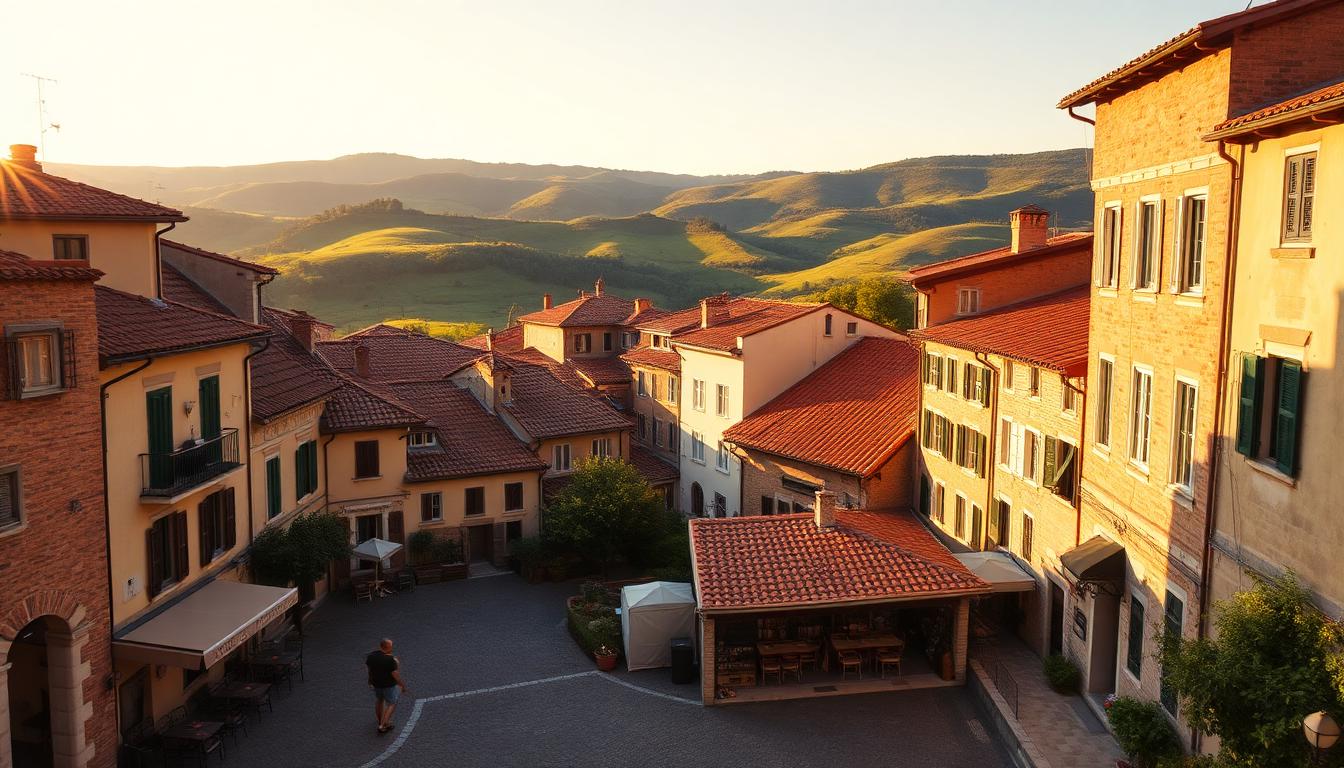
10 Cheapest Places to Retire in Europe
The dream of spending your golden years sipping espresso in a sun-drenched piazza or strolling along the Mediterranean coast is more attainable than many realize. For many Westerners, the primary hurdle to an overseas retirement isn't a lack of desire, but the perceived cost. However, by strategically choosing your destination, you can actually lower your cost of living while significantly increasing your quality of life. Finding the cheapest places to retire in Europe allows you to stretch your pension or 401(k) further, trading high property taxes and expensive healthcare for cultural richness and a slower pace of life.
In this guide, we aren't just looking for the “bottom dollar” price tag. We are looking for value—destinations where your dollar or euro buys a high standard of safety, modern infrastructure, and world-class healthcare, all without the premium price of London, Paris, or Zurich.
What Makes a European Retirement Destination Affordable
When evaluating the affordability of a retirement destination, "cheap" is a relative term that goes beyond the price of a loaf of bread. A truly affordable retirement is built on three pillars: housing, healthcare, and the "lifestyle tax."
Firstly, property remains the biggest variable. While capital cities remain expensive, moving just an hour inland or toward secondary regions can slash your rent or mortgage in half. Many retirees find that 14 Best Countries for Buying Property offer incentives for foreign investors, such as "Golden Visas" or reduced tax rates for pensioners.
Secondly, healthcare in Europe is often significantly more affordable than in the United States, even for expats paying out-of-pocket or for private insurance. Lastly, the daily cost of living—utilities, dining out, and local transport—often benefits from local economies that aren't inflated by mass tourism. To ensure a smooth transition, it's wise to learn how to build an emergency fund fast before your move, providing a safety net for those initial relocation expenses.

10 Cheapest Places to Retire in Europe
1. Portugal (The Algarve and Central Interior)
Portugal has long been a favorite for retirees due to its favorable tax regimes (like the NHR program) and exceptionally high English-speaking population. While the coastal Algarve offers a classic beach lifestyle for a fraction of the cost of Southern California, moving toward the Central Interior allows for a rustic, peaceful life with even lower property costs. Retirees love the safety, the excellent public health system, and the welcoming expat communities.
2. Spain (Alicante and Murcia)
The Costa Blanca, specifically regions like Alicante and Murcia, provides the quintessential Mediterranean climate without the price tag of Marbella or Barcelona. These areas boast a high density of BLUE zones—areas where people live longer—thanks to a diet of fresh seafood and local produce. Spain offers a "Non-Lucrative Visa" which is perfect for retirees who have sufficient passive income to support themselves.
3. Greece (The Peloponnese and Crete)
Greece offers a rugged beauty and a pace of life that is inherently restorative. The Peloponnese and the island of Crete are particularly affordable, where a couple can live comfortably on a modest pension while enjoying some of the world’s best archeological sites and beaches. The Greek "Golden Visa" remains one of the most popular paths for those looking to secure residency through property investment.
4. Italy (Sicily and Abruzzo)
If you can look past the bustling streets of Rome or Florence, Italy offers incredible value in regions like Sicily and Abruzzo. Abruzzo, located east of Rome, provides a mix of Adriatic beaches and Apennine mountains at a fraction of Tuscany’s cost. Sicily offers an intensely rich culture and incredibly low real estate prices, especially in smaller towns that are eager to welcome new residents.
5. Bulgaria (Plovdiv and Varna)
Bulgaria is consistently ranked as one of the most budget-friendly countries in the European Union. Plovdiv, one of the oldest continuously inhabited cities in the world, offers a vibrant arts scene and low taxes, while Varna on the Black Sea provides a coastal lifestyle for those on a tight budget. It is a true standout among the cheapest places to retire in Europe for those who prioritize low overhead.
6. Romania (Transylvania)
Beyond the legends of Dracula, Transylvania is a region of stunning medieval towns like Sibiu and Brașov, nestled against the Carpathian Mountains. The cost of living is among the lowest in Europe, and the high-speed internet infrastructure is surprisingly world-class, making it great for those who might still want to consult or work part-time. It is one of the many hidden gems in Europe: uncovering the continent's best-kept secrets.
7. Croatia (Istria)
Croatia’s Dalmatian Coast has seen prices rise, but the northern peninsula of Istria remains a fantastic value proposition with an "Italian-lite" feel. Known for its truffles, olive oil, and Roman ruins, Istria offers a high quality of life with lower crowds and costs than Dubrovnik. It is a perfect middle ground for retirees seeking Central European stability with a Mediterranean flair.
8. Montenegro (Coastal Towns)
Montenegro is rapidly becoming a luxury destination, yet its cost of living remains significantly lower than neighboring Italy or Croatia. Towns like Kotor and Budva offer dramatic fjord-like scenery and a favorable tax climate for foreigners. While not yet in the EU, it uses the Euro, making financial management straightforward for many expats.
9. Hungary (Lake Balaton and Budapest)
While Budapest is the cultural heart of the country, Lake Balaton—Central Europe's largest lake—offers a serene and affordable retirement setting often called the "Hungarian Sea." The country provides excellent healthcare in the major cities and a cost of living that allows for frequent dining out and cultural excursions. It’s an ideal spot for those who enjoy a four-season climate and thermal spa culture.
10. Poland (Kraków and Wrocław)
Poland offers some of the highest standards of living in Eastern Europe with a very moderate price tag. Kraków and Wrocław are major cultural hubs with stunning architecture, efficient public transit, and a deep history that keeps life interesting for retirees. The healthcare system is modern and private insurance is remarkably affordable compared to North American standards.
Practical Tips for Retiring Abroad in Europe
Retiring abroad is as much a financial journey as it is a physical one. Before you pack your bags, you should explore our Finances section to understand how to manage international transfers and currency fluctuations.
It is highly recommended to rent in your chosen destination for at least six months before buying property. This allows you to experience the "off-season" weather and ensure the local community is a good fit. Additionally, consider your banking strategy; you may want to look beyond the APY: how to build a multi-tiered high-yield savings strategy to ensure your savings continue to grow while you enjoy your retirement.
Finally, check the Travel requirements for each country’s specific retirement visa (such as the D7 in Portugal or the elective residency visa in Italy). Each country has different income thresholds and health insurance requirements that must be met annually.
Conclusion / Final Thoughts
Europe is not a monolith; it is a tapestry of cultures, climates, and economies. While the continent is often associated with luxury and high costs, there are numerous cheapest places to retire in Europe that offer a superior lifestyle for those willing to venture off the beaten path. Whether you are drawn to the sun-soaked shores of Portugal or the historic charm of Poland, your retirement can be an era of adventure rather than one of financial constraint. By planning ahead and choosing a destination that aligns with your budget and lifestyle goals, the European dream is firmly within your reach.
Frequently Asked Questions
Which European country is the easiest to get a retirement visa for? Portugal and Spain are widely considered the most accessible for North Americans and non-EU citizens due to their established D7 and Non-Lucrative visa programs, which primarily require proof of stable passive income.
Will I have to pay taxes in both my home country and my new European home? Most European countries have "Double Taxation Treaties" with the US, UK, and Canada. This prevents you from being taxed twice on the same income, though you will likely still have to file returns in both jurisdictions.
Can I rely solely on the public healthcare system? While many European countries have excellent public healthcare, most retirement visas require you to hold private health insurance at least for the first few years. Private care is generally very affordable and ensures faster access to English-speaking specialists.
Do I need to be fluent in the local language? While you can get by with English in many expat hubs (especially in Portugal and the Spanish coast), learning the local language will significantly lower your "cost of living" as it allows you to shop where locals shop and navigate government bureaucracy more effectively.
Editorial note: This guide is for informational purposes only and does not constitute legal, tax, financial, or immigration advice. Always consult qualified professionals before relocating or retiring abroad.