The 5-Second Japanese Trick That Teaches Kids Responsibility
Discover a gentle, research-backed Japanese parenting trick that helps children take responsibility in just five seconds—no yelling, no bribes, and no power struggles.
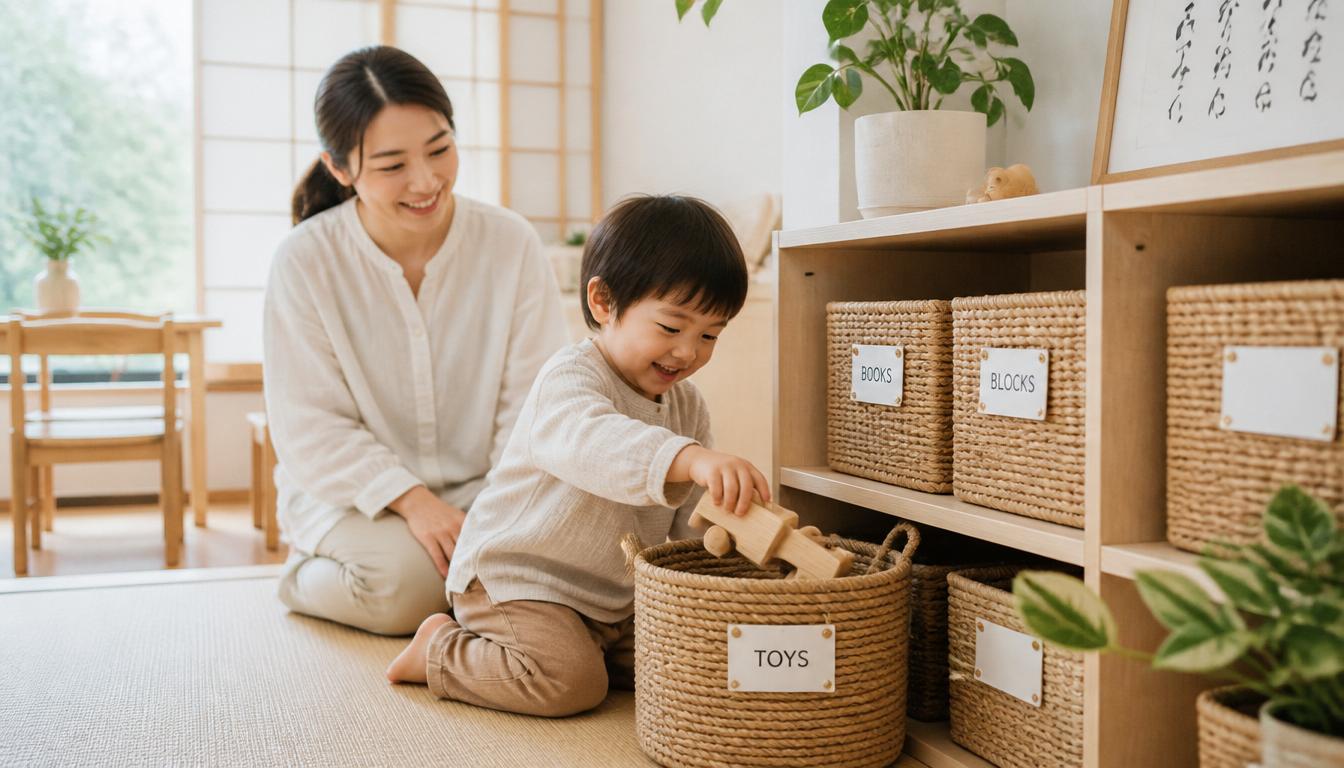
What if the secret to raising responsible kids was not a long lecture, a sticker chart, or a time-out—but a simple five-second pause borrowed from Japanese culture? Parents around the world are exhausted by the daily cycle of reminding, nagging, and picking up after their children. The 5-second Japanese trick offers a calmer path: a tiny habit that rewires children to notice, decide, and act for themselves.
What Is the 5-Second Japanese Trick?
The 5-second Japanese trick is a micro-routine rooted in the Japanese philosophy of kaizen—continuous small improvement—and the 5S methodology (Seiri, Seiton, Seiso, Seiketsu, Shitsuke) used in Japanese schools and homes. In plain English, it teaches children to stop, look at a small task, and finish it within five seconds before walking away.
The rule is simple: "If you notice something out of place, put it back in five seconds or less." A dropped sock on the stairs, a crayon left on the table, a backpack thrown by the door—instead of leaving it for later, the child pauses and restores order immediately. It is not about perfection. It is about building the reflex to take responsibility while the task is still small.
This approach is especially popular in Japanese classrooms, where children clean their own desks, sweep floors, and return materials after every activity. The goal is not to train mini-maids; it is to teach children that their space is their responsibility and that small actions prevent big messes.
Why the 5-Second Trick Builds Responsibility
Responsibility is not a personality trait that arrives at age eighteen. It is a set of neural pathways formed by repetition. Every time a child notices a problem and solves it without being told, they strengthen the connection between awareness and action. Psychologists call this self-regulation, and it is one of the strongest predictors of long-term success in school, work, and relationships.
The 5-second window is not arbitrary. It is short enough to feel effortless, yet long enough to interrupt the automatic urge to ignore the mess. When children practice the trick consistently, they stop seeing themselves as victims of chores and start seeing themselves as capable people who fix what they touch. That shift in identity is the real goal of conscious parenting.
Research also shows that children who participate in household routines develop higher self-esteem and better executive function. A 2024 study published in the Journal of Family Psychology found that children who completed micro-tasks without reminders showed measurable improvements in attention and impulse control within eight weeks. The Japanese 5-second trick is essentially a gamified version of that research.
How to Teach the 5-Second Japanese Trick at Home
You do not need to redecorate your home or buy a label maker. Start with one small area and one clear rule. Here is the exact method we recommend for busy families:
1. Introduce it as a game, not a chore
Children resist commands but love games. Say something like, "We are going to try a Japanese challenge: when we see something out of place, we try to put it back in five seconds. Can you count to five with me?" Use a timer or a gentle chant to keep it playful. The first few days are about building awareness, not flawless execution.
2. Model it visibly
Children learn responsibility by watching adults take responsibility. Narrate your own 5-second actions out loud. "I see a cup on the counter. One, two, three, four, five—back in the sink." When parents model the behavior without resentment, children absorb it as a normal part of life.
3. Use a clear visual home for everything
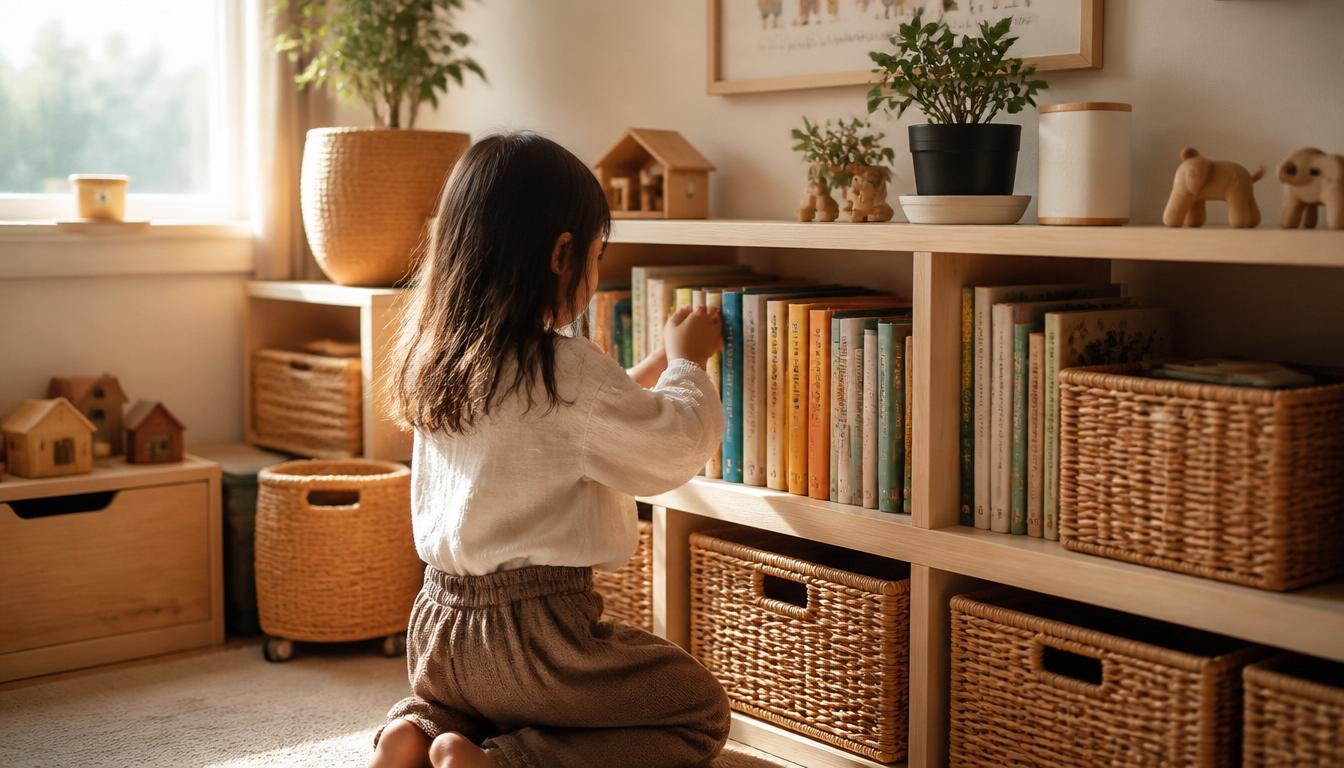
The trick only works if the child knows where an item belongs. A shoe thrown by the door will stay there forever if there is no shoe basket. A low hook for a backpack, a tray for school papers, and open bins for toys make the 5-second rule possible. This is the Japanese principle of Seiton—a place for everything.
4. Praise the process, not the person
Avoid over-the-top praise like "You are the best helper ever!" Instead, name the behavior: "I noticed you put your shoes away in five seconds. That keeps the entrance safe for everyone." This builds internal motivation, which is the only kind that lasts.
5. Keep the timer short and consistent
Five seconds is the magic number. Longer tasks belong on a separate chore list, not inside this micro-habit. The trick is designed to eliminate the mental resistance that comes with a task that feels too big. Small, fast, repeated—this is the kaizen way.
Age-by-Age Guide for the 5-Second Japanese Trick
One reason this trick works so well is that it scales with a child's developmental stage. Here is how to adapt it from toddlers to teens:
- Toddlers (2–4): Focus on one action at a time. "Blocks go in the basket. One, two, three, four, five." Hold their hand through the first few tries, then step back and let them finish.
- Early elementary (5–8): Introduce a 5-second rule for three areas: shoes, backpack, and toys. Use a visual checklist with pictures so children can self-monitor.
- Upper elementary (9–12): Let them own a zone of the house, such as the bathroom they use or the kitchen table. Apply the 5-second rule to spills, crumbs, and belongings left in shared spaces.
- Teens (13+): Frame it as a life skill. The five-second rule applies to devices, sports gear, and dishes. The goal is not to control them; it is to show them that small habits protect their time and space.
Common Mistakes Parents Make
Like any habit, the 5-second Japanese trick can be misapplied. Here are the most common mistakes and how to avoid them:
Turning it into a power struggle
If a child refuses to use the five-second rule, do not escalate. Simply say, "I see you are not ready. I will help you this time, and you can try again next time." The trick is about building ownership, not winning obedience.
Applying it to emotional situations
The five-second rule is for physical objects, not feelings. Never use it to rush a child through crying, frustration, or a difficult conversation. Emotional responsibility is taught with patience and connection, not timers.
Expecting perfection too soon
Children will forget. The goal is progress, not perfection. Research suggests that habits take an average of 66 days to become automatic, not 21. Celebrate small wins and stay consistent.
Forgetting the parent's role
If your own belongings are scattered, the rule will feel unfair. Children are highly sensitive to hypocrisy. Clean up your own five-second items first, and the household culture will shift naturally.
The Hidden Benefits Beyond a Tidy Home
The 5-second Japanese trick is about much more than a clean floor. It is a quiet training ground for the skills that shape a successful adult:
- Delayed gratification: A child pauses fun to handle a small obligation first.
- Situational awareness: They begin to notice how their actions affect shared spaces.
- Problem-solving confidence: They learn that most problems are small and solvable quickly.
- Respect for community: They understand that homes, classrooms, and public spaces are everyone's responsibility.
These are the same traits that predict academic achievement, career stability, and healthier relationships. In that sense, teaching the five-second trick is one of the most high-impact investments a parent can make in ten seconds a day.
How It Fits Into a Larger Family Culture
The trick works best inside a family culture that values connection and teamwork. It is not a standalone tool; it is one brick in a foundation of shared responsibility, clear routines, and emotional safety. Families who also practice regular meals, open communication, and healthy sleep habits tend to adopt the 5-second rule faster because the home already feels calm and predictable.
If you are raising younger children, pair this habit with brain-boosting activities and intentional bonding time. You can explore our guide on brain-boosting activities for babies for ideas that complement responsible habits from the earliest years. For families navigating screen time, emotions, or sibling conflict, the same principle applies: small, consistent actions create lasting change.
Conclusion: Start Small, Start Today
The 5-second Japanese trick is not a magic wand. It will not transform a chaotic household overnight. But it will, day by day, teach your child to notice, decide, and act without being told. It will turn the abstract idea of responsibility into a concrete, repeatable behavior. And most importantly, it will do so without yelling, bribing, or shaming.
Pick one tiny habit today. Maybe it is the shoes by the door. Maybe it is the cereal bowl left on the table. Count to five with your child. Put it back. Repeat. Over time, you will not just have a tidier home—you will have a child who trusts themselves to handle life's small responsibilities, which is the first step toward handling the big ones.
Frequently Asked Questions
What exactly is the Japanese 5-second rule for kids?
The Japanese 5-second rule for kids teaches children to notice an item out of place and return it to its home within five seconds. It is inspired by Japanese organizational principles and helps children develop responsibility through small, repeated actions.
At what age can I start teaching the 5-second trick?
You can begin around age two with simple tasks like putting one toy in a basket. Adapt the complexity as your child grows. The core idea—pause, notice, act—works for toddlers through teenagers.
Does the 5-second trick work for children with ADHD or neurodivergence?
Yes, with modifications. Visual cues, labeled bins, and shorter routines make the trick accessible. The five-second window helps reduce overwhelm by breaking responsibility into bite-sized moments. Consult an occupational therapist for personalized strategies.
How long does it take to become a habit?
Most children show noticeable improvement within two to four weeks, but full habit formation takes closer to two months. Consistency matters more than speed.
Can this work in a classroom setting?
Absolutely. Many Japanese classrooms use similar principles. Teachers can assign a 5-second tidy at the end of each activity, giving students ownership of their environment without lengthy cleanup sessions.
This article is for informational and parenting-education purposes. It is not a substitute for professional child-development advice, therapy, or medical guidance. Every child is different, and families should adapt routines to their own needs.