12 Brain-Boosting Activities to Make Your Baby a Genius: A Science-Backed Guide
Discover 12 brain boosting activities to make your baby a genius, from talking and reading to sensory play and sleep. A science-backed parenting guide for healthy early development.

12 Brain-Boosting Activities to Make Your Baby a Genius: A Science-Backed Guide
Every parent looks at their newborn and wonders about the vast potential locked inside that tiny, growing mind. While the word "genius" often conjures images of child prodigies, true intellectual brilliance is rooted in the quality of early experiences. The first two years of life represent a period of unparalleled neural growth, where the brain forms millions of new connections every single second. By engaging in specific brain boosting activities to make your baby a genius, you are not just teaching skills; you are literally sculpting the architecture of their brain to support lifelong learning, curiosity, and emotional intelligence.
Why the First Years Matter for Brain Development
The human brain is the only organ that is not fully formed at birth. During the first 1,000 days, a child’s brain is a sponge, shaped by "serve and return" interactions with caregivers. Science tells us that the environment plays a pivotal role in gene expression—a field known as epigenetics. When you provide a stimulating, loving, and responsive environment, you help strengthen the neural pathways responsible for logic, language, and problem-solving.
Supporting this development is a core pillar of modern parenting within the Family category page. These early years are not about pressure or rigorous academic drills; they are about fostering a secure attachment. A baby who feels safe is a baby who is free to explore, which is the fundamental basis for all cognitive growth. Understanding The Importance of Family: Why It Still Matters in 2026 helps us realize that the home environment is the primary classroom for a developing mind.
12 Brain Boosting Activities to Make Your Baby a Genius
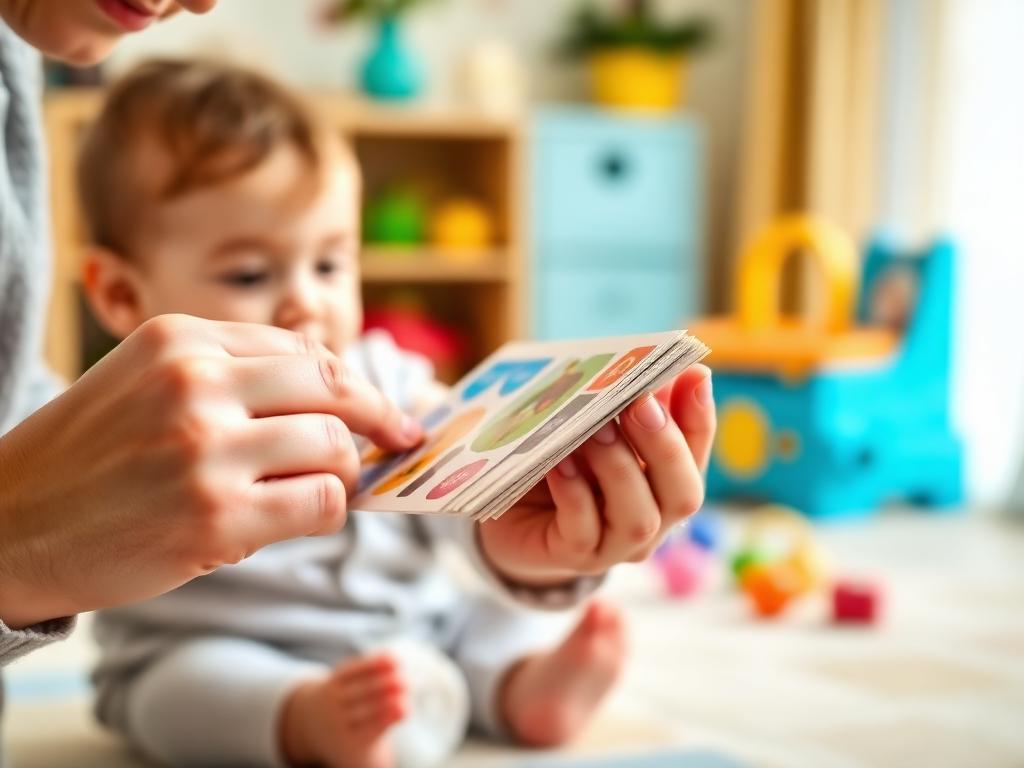
1. Talk and Sing Throughout the Day
Language acquisition begins long before a baby utters their first word. By talking to your baby about your day or singing simple melodies, you are exposing them to the phonetic structures of their native language. This constant stream of narration helps build a robust vocabulary and strengthens the auditory processing centers of the brain.
2. Read Aloud Daily
Reading is perhaps the single most impactful activity for cognitive development. Even if your infant only tries to chew on the book, hearing the rhythm of the text and seeing colorful illustrations sparks imagination and visual tracking. It establishes an early love for storytelling and builds the foundation for future literacy and comprehension.
3. Tummy Time and Movement
Physical development and cognitive development are deeply intertwined. Tummy time strengthens the neck, back, and core muscles, which eventually allows for crawling—a milestone that forces the two hemispheres of the brain to communicate. Movement encourages spatial awareness and helps the baby learn how to navigate and understand the physical world around them.
4. Sensory Play with Safe Textures
Exposing your baby to different textures—such as smooth silk, bumpy silicone, or soft wool—stimulates the somatosensory cortex. Sensory play encourages scientific thinking as babies "experiment" with how things feel, squish, or pour. This hands-on exploration helps the brain categorize information and refine fine motor skills.
5. Play Simple Peekaboo and Imitation Games
Peekaboo is more than just a way to get a giggle; it is a lesson in object permanence—the understanding that things exist even when they can't be seen. Imitation games, like sticking out your tongue or clapping, activate "mirror neurons." These neurons are essential for developing empathy and social understanding later in life.
6. Introduce Music and Rhythm
Research suggests that early exposure to music can improve mathematical and spatial reasoning. Clapping along to a beat or playing with baby-safe shakers helps the brain recognize patterns and sequences. This rhythmic training is foundational for both language timing and later logical thinking.
7. Use Baby Sign Language
Teaching simple signs for "more," "milk," or "all done" can bridge the communication gap before verbal skills are fully developed. This reduces frustration and encourages the brain to associate physical gestures with symbolic meanings. It gives babies a "head start" in expressing their needs and understanding the power of communication.
8. Explore Outdoors Safely
The natural world is the ultimate sensory laboratory. The sound of rustling leaves, the feeling of wind on their cheeks, and the sight of different shades of green provide a complex level of stimulation that indoor environments cannot replicate. Outdoor time nurtures natural curiosity and an observant mind.
9. Offer Open-Ended Toys and Blocks
Unlike "battery-operated" toys that do the work for the child, open-ended toys like wooden blocks or stacking cups require the baby to be the protagonist. These toys encourage problem-solving, hand-eye coordination, and an early understanding of physics and gravity as they learn to balance and build.
10. Name Objects and Narrate Routines
During diaper changes or bath time, name the objects you are using: "Here is your blue towel" or "I am washing your toes." This consistent labeling helps the baby build a mental "filing cabinet" of concepts. This activity directly supports the "serve and return" interaction patterns that are vital for neuroplasticity.
11. Encourage Social Interaction with Caregivers
The brain thrives on human connection. Positive social interactions release oxytocin, which helps the brain grow and protects it from the negative effects of stress. Learning to read facial expressions and respond to social cues is a key component of emotional intelligence, a trait often found in highly successful individuals.
12. Maintain Consistent Routines and Quality Sleep
A well-rested brain is a learning brain. During sleep, the brain consolidates memories and clears out metabolic waste. Establishing a predictable routine helps a baby feel secure, which lowers cortisol levels and allows the brain to focus its energy on growth rather than survival. Understanding The Science of Sleep Hygiene is just as important for infants as it is for adults.
What to Avoid During Early Brain Development
While focusing on positive stimulation, it is equally important to be mindful of factors that can hinder growth. Excessive screen time for infants under 18 months is generally discouraged by pediatric experts, as it provides "passive" stimulation that doesn't require the interactive, three-dimensional engagement a growing brain needs.
Furthermore, high levels of chronic stress or a chaotic environment can interfere with a baby’s ability to process new information. Just as we look toward the 6 Most Important Things You Can Do for Your Health to maintain our own well-being, we must ensure a baby's foundational health—nutrition, safety, and emotional warmth—is prioritized. For more on physical well-being, visit our Health category page.
Conclusion
Nurturing a "genius" isn't about ensuring your child goes to an Ivy League school; it is about providing the building blocks for a resilient, curious, and capable mind. By integrating these brain boosting activities to make your baby a genius into your daily routine, you are giving your child the best possible start. Remember that the goal is to foster a love for discovery and a sense of security. As you work on The Art of Raising Resilient Kids, remember that your presence and engagement are the most powerful tools you have. Every song sung and every block stacked is a step toward a bright, expansive future for your little one.
Frequently Asked Questions
1. When should I start these brain-boosting activities? You can start immediately! While a newborn won't be building block towers, they benefit from hearing your voice, skin-to-skin contact, and being read to from day one. The intensity and type of activity will naturally evolve as your baby hits different developmental milestones.
2. Can toys really make my baby smarter? Toys are tools, but they aren't magic. The most effective toys are those that encourage "active" rather than "passive" play. Simple items like balls, blocks, and household objects (under supervision) often provide more cognitive benefits than expensive electronic toys because they require the baby to use their imagination and motor skills.
3. Does my baby need to be constantly stimulated to become a genius? Actually, no. "Down time" is also important for brain development. Over-stimulation can lead to fussiness and exhaustion. Babies need quiet moments to process the information they’ve gathered. Finding a balance between active engagement and calm, quiet rest is key to healthy growth.
Editorial note: This article is for informational purposes only and is not a substitute for professional pediatric or developmental advice. Every child develops at their own pace. If you have concerns about your baby's development, consult a qualified pediatrician or child development specialist.