Strict Parenting Often Creates Sneaky Kids: What the Research Really Says
Harsh rules don't build honest kids — they build careful liars. Here's why strict parenting often creates sneaky kids, and what to do instead.
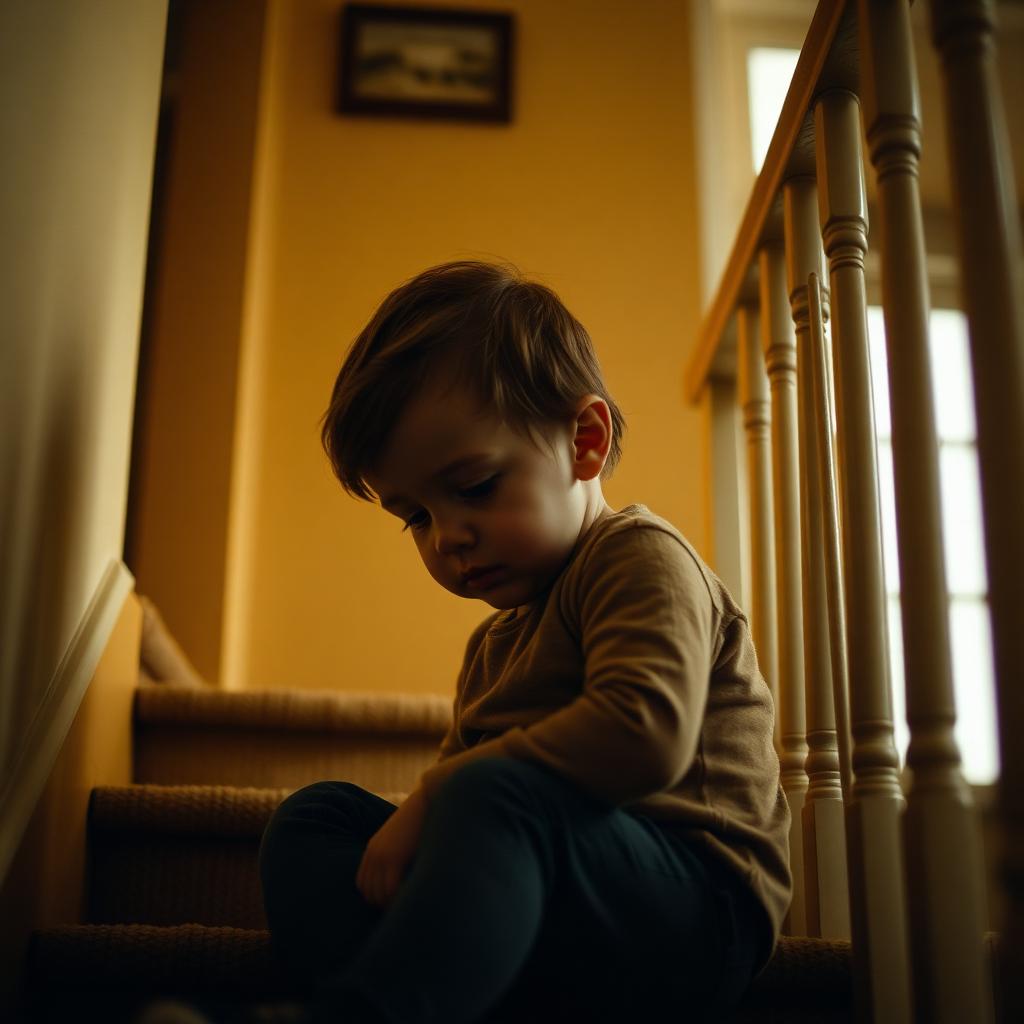
Most parents who lean strict aren''t cruel. They''re scared. Scared of raising a kid who lies, who slacks, who drifts. So they tighten the rules, raise their voice, and hand down consequences fast. It feels like control. It looks like discipline. But decades of developmental research keep pointing to an uncomfortable pattern: strict parenting often creates sneaky kids, not honest ones.
That doesn''t mean structure is bad — kids need it. The issue is the difference between firm and fear-based. One builds character. The other builds camouflage.
What "Strict Parenting" Actually Means
In parenting research, "strict" usually maps onto what psychologist Diana Baumrind called the authoritarian style: high demands, low warmth, little room for negotiation. Rules are absolute. Mistakes are punished. "Because I said so" is the standard explanation.
That''s very different from the authoritative style, which is also firm — clear rules, real consequences — but pairs that structure with warmth, listening, and reasoning. Authoritative parents say no often, but they say it while looking their kid in the eye.
The first style produces compliance. The second produces conscience. And that distinction is exactly where sneakiness is born.
Why Sneakiness Is a Logical Response, Not a Character Flaw
Kids are pattern-recognizers. By age four, they''ve already learned which behaviors get them in trouble and which ones slip through. When the cost of getting caught is high — yelling, shame, harsh punishment, withdrawal of love — they don''t stop the behavior. They get better at hiding it.
A 2011 study from McGill University on West African schools found that children disciplined with harsh punishment were more likely to lie, and lied more skillfully, than children disciplined gently. The kids weren''t broken. They were optimizing.
Think about it from a child''s perspective:
- Honesty + strict parent = punishment.
- Lying + strict parent = maybe punishment, maybe freedom.
That''s not a moral failure. That''s math.
The hidden cost of "I''ll always find out"
Strict households often run on surveillance — phone checks, locked apps, room searches, "I know everything you do." It feels protective. But constant monitoring teaches kids two things at once:
- Privacy is something you earn through performance, not something you have.
- The skill that matters most is not getting caught.
Kids raised under heavy surveillance don''t become more transparent. They become better operators. They use friends'' phones. They open second accounts. They tell parents the version of the story that ends the conversation fastest.
What the Research Keeps Finding
Across cultures and decades, the findings rhyme:
- Lying frequency goes up. Children of authoritarian parents lie more often about both small things (homework, snacks) and serious things (where they were, who they were with).
- Self-regulation goes down. When rules come from outside (fear of dad) rather than inside (my own values), kids struggle the moment the outside enforcer isn''t in the room.
- Anxiety and depression rise. A 2020 meta-analysis in Developmental Psychology linked authoritarian parenting to higher rates of internalizing symptoms in adolescents.
- Risk behaviors increase in the teen years. Tight rules without warmth correlate with more, not less, risky behavior — especially when teens finally get unsupervised time.
None of this means rules cause harm. It means rules without relationship cause harm. Kids will absorb almost any standard from a parent they trust. They''ll dodge almost any standard from a parent they fear.

The Sneaky-Kid Cycle
Strict parenting creates a predictable loop in many homes:
- Parent sets a harsh rule.
- Kid breaks the rule (because kids break rules — that''s development).
- Kid hides the evidence to avoid punishment.
- Parent eventually catches them.
- Parent tightens the rules and surveillance further: "See? This is why I can''t trust you."
- Kid gets sneakier.
- Repeat — until the teen years, when the stakes become serious and the parent has almost no honest information to work with.
By the time a "strict" kid is 15, the parent often knows the least about their child of anyone in their life. Friends know more. Coaches know more. The internet knows more.
That''s the real failure mode. Not rebellion. Invisibility.
What to Do Instead: Firm Without Fear
The opposite of strict isn''t permissive. Permissive parenting (lots of warmth, no rules) creates its own problems — entitlement, poor self-control, anxiety from a lack of structure. The goal is the authoritative middle: high warmth + high standards.
1. Make honesty cheaper than lying
If your kid tells you a hard truth, the first reaction should reward the telling, not punish the thing. Consequences can still follow — but separate them.
"Thank you for telling me. That took guts. Now let''s talk about what happens next."
Over time, kids learn: in this house, the truth is the safer path. That single shift dissolves most sneakiness.
2. Explain the why behind rules
"Because I said so" trains compliance. "Here''s why this matters" trains judgment. Kids who understand the reasoning behind a rule are far more likely to follow it when no one is watching — which is the only time it really counts.
3. Lower the punishment ceiling
Disproportionate consequences (a week of grounding for a missed text) make lying rational. Match the response to the offense. Predictable, calm, proportional consequences keep kids talking to you.
4. Replace surveillance with conversation
Instead of checking the phone, ask about the group chat. Instead of locking the door, ask who they''re hanging out with and actually listen. Information given freely is always richer than information extracted.
5. Repair, don''t just discipline
Every parent loses their temper. The repair afterward — "I shouldn''t have yelled. I was scared. Can we talk about it again?" — teaches kids that mistakes don''t end relationships. That''s the lesson that makes them less afraid to bring you the hard stuff later.
For more on building the underlying relationship, see our piece on the importance of family, and for younger kids, the 5-second Japanese trick that teaches responsibility pairs beautifully with this approach. You can also explore more parenting pieces in the Family category or related work in Relationships.
A Note for Parents Who Were Raised Strictly Themselves
If you grew up in a strict house and turned out "fine," it''s tempting to repeat the model. But two things are usually true: you turned out fine and you probably remember exactly which things you hid from your parents, and exactly when you stopped telling them what was really going on. That gap — the part they never knew about — is the cost of the system. You can choose a different one.
FAQ
Is strict parenting the same as authoritarian parenting?
In everyday language, "strict" can mean either firm-and-warm (authoritative) or harsh-and-cold (authoritarian). The research shows it''s the authoritarian version — strictness without warmth, explanation, or repair — that drives sneakiness, lying, and anxiety.
My kid already lies a lot. Is it too late?
No. Behavior shifts when the environment shifts. Start by making one promise: for the next month, if they tell you something hard, you''ll stay calm and thank them first. You may be surprised how fast the dynamic changes when honesty stops being the most dangerous option.
Doesn''t my child need to fear consequences to behave?
Kids need to understand consequences, not fear you. Fear produces hiding. Understanding produces judgment. The first works until they''re old enough to outsmart you; the second works for life.
What about cultural differences?
Strictness looks different across cultures, and warmth can be expressed in many ways — not always with words. The research finding holds across contexts: when children experience their parents as both demanding and warm, outcomes improve. When warmth is missing, sneakiness and anxiety rise, regardless of culture.
This article is for general informational and educational purposes only and is not a substitute for professional advice. If you''re concerned about your child''s behavior, mental health, or your family dynamic, please speak with a licensed pediatrician, family therapist, or qualified counselor.