Hidden Gems in Europe: Uncovering the Continent's Best-Kept Secrets
Discover the best hidden gems in Europe, from the Albanian Riviera to the Rhodope Mountains. Learn how to find off-the-beaten-path destinations and plan your next adventure.
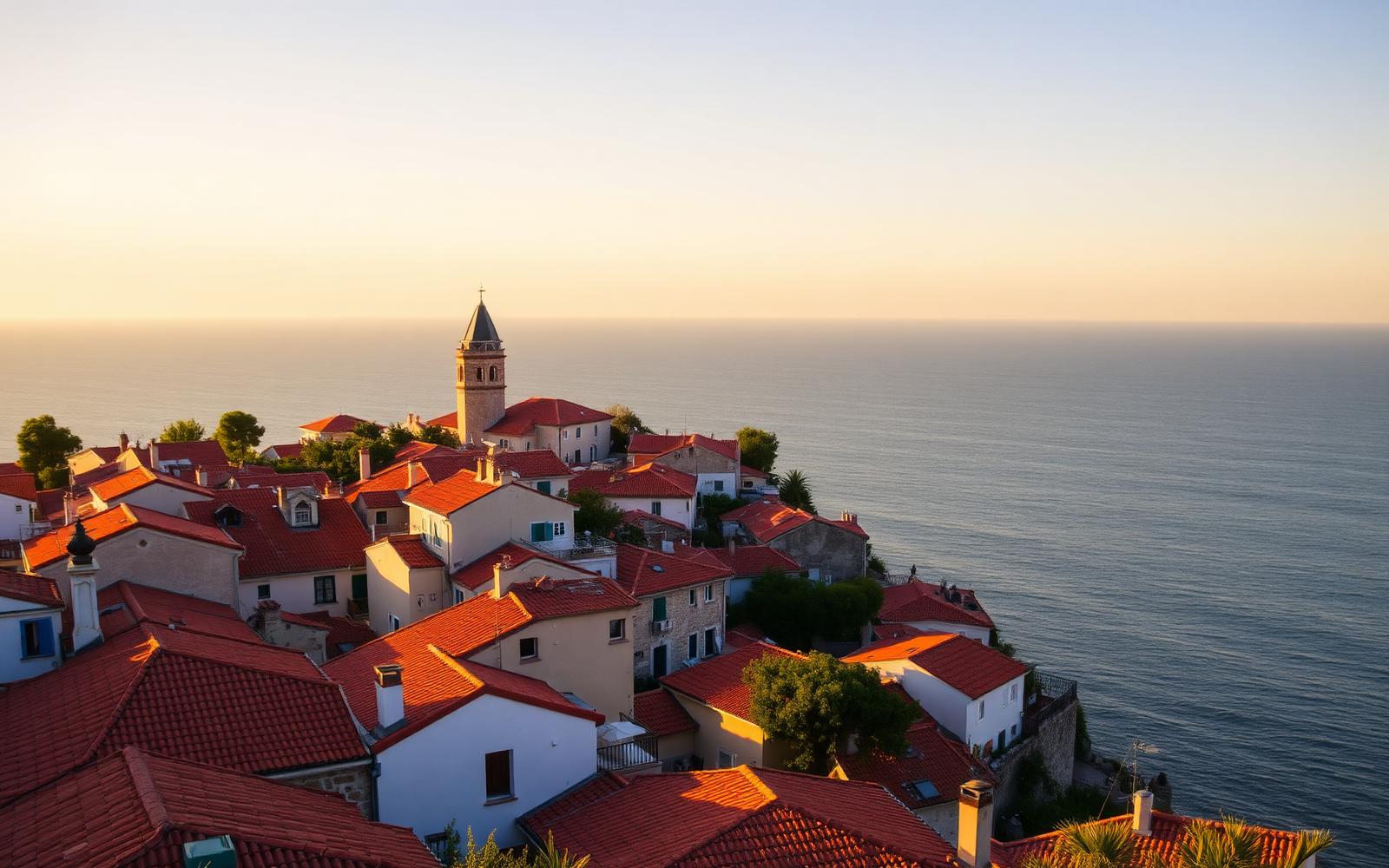
Imagine standing on a limestone cliff overlooking a turquoise cove, with no tour buses in sight and only the sound of the Mediterranean breeze for company. Most travelers flocking to Europe end up in the same crowded squares of Rome, Paris, and Amsterdam. While those iconic cities offer undeniable charm, the true magic of the continent often hides in the shadows of its famous neighbors.
Finding hidden gems in Europe isn't just about avoiding crowds; it's about discovering cultural authenticity before it becomes a postcard cliché. From the misty peaks of the Balkans to the sun-drenched coastal villages of Albania, there are still corners of the continent that feel like a well-kept secret. This guide explores off-the-beaten-path destinations and provides a roadmap for planning your next unconventional adventure.
Why You Should Seek Out Off-the-Beaten-Path Destinations
The traditional European grand tour is becoming increasingly synonymous with "overtourism." Popular landmarks are implementing entry fees and visitor caps just to preserve their integrity. Moving toward under-the-radar locations offers three distinct advantages:
- Sustainability: Spreading tourism dollars to lesser-known regions helps local economies without overwhelming infrastructure.
- Affordability: Secondary cities and rural regions often cost 40-60% less than major capitals for high-quality dining and accommodation.
- Connection: In places where tourists are still a novelty, interactions with locals are more genuine and less transactional.
1. The Albanian Riviera: Europe's Last Coastal Secret
While Croatia and Greece have seen prices skyrocket, the Albanian Riviera offers the same Ionian beauty for a fraction of the cost. This stretch of coastline along the Ionian Sea features white pebbled beaches and crystalline waters that rival the Amalfi Coast.
Ksamil and Butrint
Ksamil is the crown jewel of the south, known for its small islands you can swim to. Just a few miles away lies Butrint, a UNESCO World Heritage site featuring Greek, Roman, and Byzantine ruins nestled within a lush national park. Unlike the Forum in Rome, you can often explore these ruins in near-total silence.
Himare
For those who prefer a laid-back vibe, Himare is a traditional fishing town where life moves slowly. It's the perfect base for hiking to "secret" beaches like Gjipe, which is accessible only by boat or a 30-minute trek through a canyon.
2. Occitanie, France: The Soul of the South
Skip the glitz of the French Riviera and head west to Occitanie. This region encompasses everything people love about France—vineyards, medieval castles, and world-class gastronomy—but without the pretension or the price tag.
Albi and the Red City
Albi is home to the Sainte-Cécile Cathedral, the largest brick building in the world. Its austere exterior hides a breathtakingly ornate interior. The city is also the birthplace of Henri de Toulouse-Lautrec, and the museum dedicated to him is a must-visit for art lovers.
The Village of Conques
Stepping into Conques feels like entering a time machine. This hillside village on the Camino de Santiago route features narrow timber-framed houses and the Abbey Church of Sainte-Foy, famous for its Romanesque art and "The Last Judgment" tympanum.
3. Gdynia and the Hel Peninsula, Poland
When people think of the Baltic, they usually think of Gdańsk. However, just up the coast lies Gdynia, a modernist marvel, and the Hel Peninsula, a 35km-long sandbar stretching into the sea.
A Haven for Water Sports
The Hel Peninsula is one of the premier spots in Europe for kitesurfing and windsurfing due to its unique shallow waters on the bay side and breezy conditions. The thin strip of land is connected by a scenic railway, allowing you to hop between small fishing villages and pristine pine forests.
4. The Rhodope Mountains, Bulgaria
For those who seek high-altitude adventure, the Rhodope Mountains offer more than just scenery; they are steeped in Orphic myths and ancient customs.
Shiroka Laka
This village is a designated architectural and ethnographic reserve. Known for its distinctive two-story stone houses and its prestigious folk music school, it's the place to hear the haunting sounds of the kaba gaida (Bulgarian bagpipe).
The Devil's Throat Cave
Thrill-seekers should visit the Trigrad Gorge to enter the Devil's Throat Cave. Legend says this is where Orpheus descended into the Underworld. It houses the highest underground waterfall in the Balkans, creating a misty, atmospheric experience.
How to Find Your Own Hidden Gems
Planning a trip to a lesser-known destination requires a different strategy than booking a weekend in London. Here is how to uncover the best-kept secrets on your own:
Use "The 2-Hour Rule"
Pick a major hub (like Lisbon or Munich) and look at a map for any town or national park exactly two hours away by train or bus. Most "day-trippers" stick to a 45-minute radius, meaning the two-hour mark is where the crowds thin out and the authenticity increases.
Follow National Tourism Boards
Major travel influencers often repeat the same sponsored itineraries. Instead, browse the official tourism websites of specific regions (e.g., "Visit Alentejo" instead of just "Visit Portugal"). These sites often highlight local festivals and hiking trails that haven't hit the mainstream yet.
Leverage Satellite Imagery
If you are looking for untouched beaches or remote mountain valleys, use Google Maps in satellite mode. Look for coastal stretches without large resorts or clusters of umbrellas. This is how many experienced travelers find secluded coves in places like Sardinia or the Mani Peninsula in Greece.
Actionable Tips for Off-Grid Travel
- Learn Basic Phrases: In hidden gems, English proficiency may be lower. Learning how to say "hello," "please," "thank you," and "the bill, please" goes a long way.
- Carry Cash: While Europe is increasingly digital, many rural guesthouses and local markets in places like Albania or Romania still rely on physical currency.
- Download Offline Maps: Signal can be spotty in mountainous regions or remote villages. Use Google Maps or Maps.me to download the entire region before you leave your hotel.
- Respect Local Customs: Smaller communities are more sensitive to tourist behavior. Dress modestly when entering village churches and always ask before taking photos of people.
Conclusion
Europe is far from "finished." Beyond the queues at the Eiffel Tower and the crowded canals of Venice lies a continent of rugged mountains, secret coastlines, and ancient traditions waiting to be explored. By stepping off the beaten path, you not only enjoy a more relaxing and affordable holiday but also contribute to a more sustainable form of travel that celebrates the diversity of European culture.
FAQs
How do I stay safe when traveling to remote parts of Europe?
Safety in remote Europe is generally high, with lower crime rates than major cities. However, infrastructure can be different. Always inform your accommodation of your hiking routes, ensure your car has a full tank of gas, and have a physical backup of your itinerary.
Is it difficult to get around without a car in these regions?
While some hidden gems like Albi are accessible by train, others like the Rhodope Mountains or the Albanian Riviera are best explored with a car. Renting a vehicle gives you the freedom to stop at roadside fruit stands or sudden scenic overlooks that buses will simply pass by.
When is the best time to visit hidden gems in Europe?
The "shoulder seasons"—May to June and September to October—are ideal. You'll enjoy mild weather and even fewer crowds than in the peak of summer, plus even lower prices for accommodation. Many remote areas "shut down" in late autumn, so check the seasonality of local businesses before booking.