The Geoarbitrage Blueprint: How to Build a Sustainable Digital Nomad Life in 2026
Learn how to master geoarbitrage to maximize your income, find the best emerging tech hubs, and build a sustainable long-term digital nomad lifestyle.
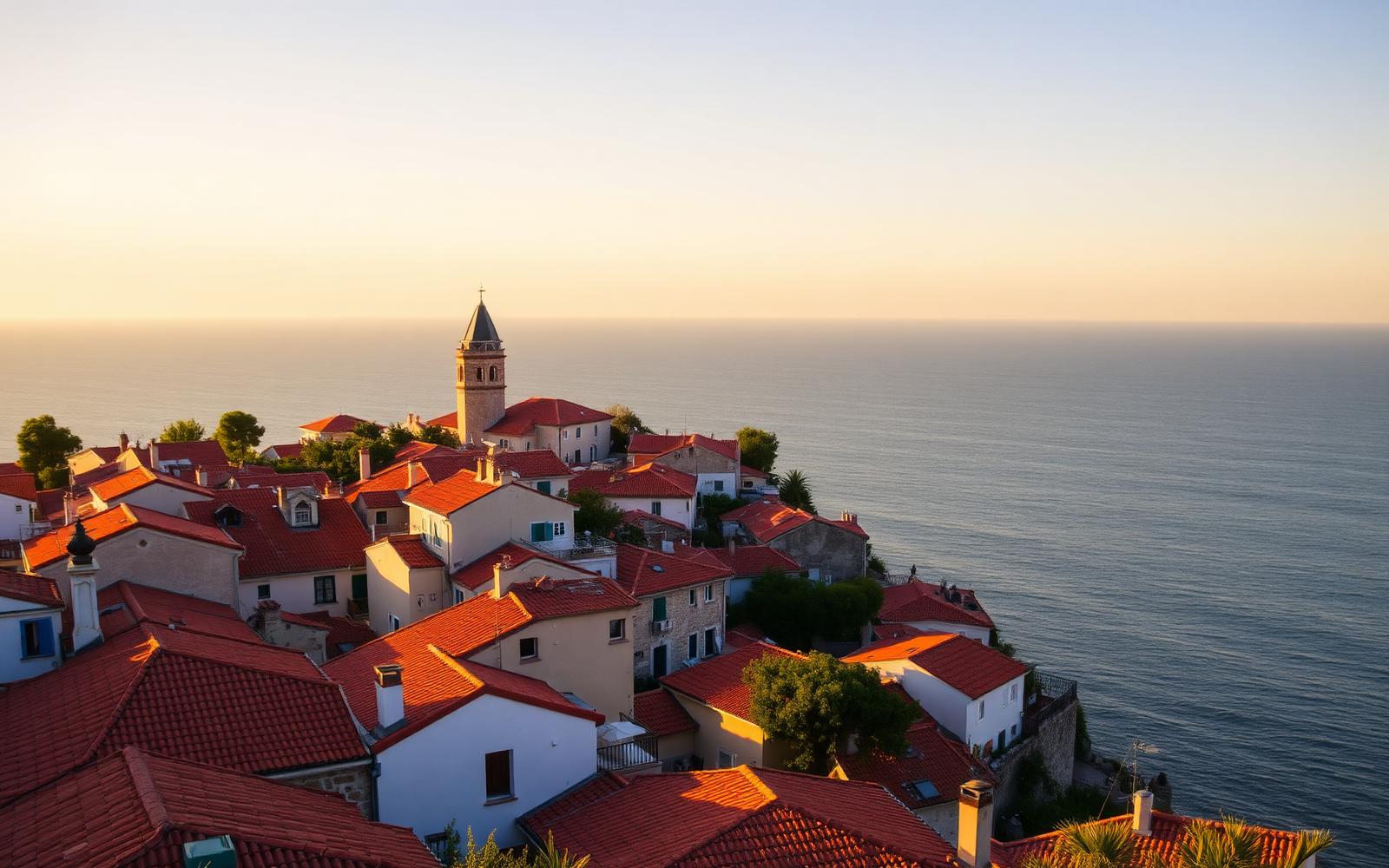
The era of the 'laptop on a beach' cliché is officially over. In 2026, being a digital nomad has evolved from a temporary escape into a sophisticated financial strategy. As global inflation fluctuates and remote work becomes the standard for the knowledge economy, the most successful travelers aren't just looking for a sunset view; they are mastering geoarbitrage.
Geoarbitrage is the practice of earning a salary in a strong currency while living in a location with a significantly lower cost of living. But doing this correctly in the current landscape requires more than just a plane ticket. It requires a deep understanding of tax residency, infrastructure stability, and community integration. This guide moves past the surface-level advice to help you build a location-independent life that is both profitable and permanent.
The Financial Mechanics of Modern Geoarbitrage
To make the digital nomad lifestyle work long-term, you must treat your location as a business variable. If you earn $6,000 USD per month while living in New York or London, you are surviving. If you earn that same amount while based in Busan, South Korea, or Mendoza, Argentina, you are building wealth.
Calculating Your Real Life Cost
Before picking a destination, look beyond the price of a coffee. You need to calculate the "Nomad Burn Rate," which includes:
- High-speed fiber internet (non-negotiable for 2026 workflows).
- Short-term rental premiums (usually 30% higher than local rates).
- Private health insurance with global coverage.
- Co-working space memberships to combat isolation.
By keeping your overhead below 35% of your net income, you create a financial buffer that allows for travel between "expensive" bucket-list hubs and "value" base camps.
Navigating the 2026 Digital Nomad Visa Landscape
We have moved past the days of border runs and tourist visa abuse. Governments have caught up, and many now offer dedicated digital nomad visas. These permits are the backbone of a sustainable lifestyle because they offer legal certainty.
Spain, Japan, and Brazil have refined their programs to attract high-earning remote workers. When evaluating a visa, pay attention to the tax implications. Some countries, like Malaysia with its DE Rantau program, offer specific tax incentives for foreign remote workers, while others might claim a stake in your global income after 183 days.
The 'Tax Home' Trap
Many novices assume that if they are traveling, they don't owe taxes anywhere. This is a dangerous misconception. Most nomads maintain a tax residency in their home country or establish one in a tax-friendly jurisdiction like the UAE or certain Caribbean nations. Use a professional who understands cross-border remote work taxation to ensure you aren't accidentally committing tax evasion while trying to save on rent.
Infrastructure Over Aesthetics: Choosing Your Hub
A beautiful view won't help you when your Zoom call drops during a high-stakes presentation. In 2026, the best hubs for digital nomads are those that prioritize digital infrastructure and community over pure tourism.
Emerging Value Hubs
- Bansko, Bulgaria: While not a coastal paradise, it offers some of the lowest tax rates in Europe and a legendary community of remote workers centered around its various coworking spaces.
- Da Nang, Vietnam: This city has overtaken Bali for many professionals due to its superior internet speeds, modern apartments, and manageable urban layout.
- Montevideo, Uruguay: A sleeper hit for those working US time zones. It is safe, stable, and offers a high quality of life with a growing tech scene.
Technical Setup for the Professional Nomad
Your gear is your office. In 2026, the standard kit has moved beyond just a laptop. To stay competitive in the remote job market, your setup must be redundant and reliable.
- The Dual-SIM Strategy: Always carry a local physical SIM for data and an eSIM (like Airalo or Holafly) for immediate connectivity upon landing.
- Power Redundancy: A high-capacity power bank capable of charging a MacBook Pro is essential for regions with intermittent power grids.
- Noise Cancellation: As AI-driven noise cancellation in software (like Krisp) has improved, a hardware backup like high-quality ANC headphones remains vital for working from busy cafes.
Building Social Capital on the Move
The biggest threat to the digital nomad lifestyle isn't a bad Wi-Fi connection; it is loneliness. The "lonely nomad" syndrome causes most people to quit after 12 to 18 months.
To counter this, stop moving every two weeks. The "Slowmad" approach—staying in one location for 3 to 6 months—allows you to build actual relationships. Join local hobby groups that have nothing to do with tech. Whether it is a Brazilian Jiu-Jitsu gym in Rio or a pottery class in Kyoto, these connections ground you in the local culture and prevent the feeling of being a perpetual outsider.
Actionable Steps to Transition
If you are currently tied to a desk but eyeing the exit, follow this sequence:
- Audit Your Income: Ensure your current employer allows for international remote work or transition to a freelance model with at least three recurring clients.
- The 'Dry Run': Take a one-month working vacation in a nearby time zone. Test your ability to stay productive while surrounded by the distractions of a new city.
- Downsize Ruthlessly: Sell everything that doesn't fit in a suitcase or a small storage unit. Physical belongings are the 'anchors' that make geoarbitrage difficult.
- Secure Your Mail: Set up a virtual mailbox service that scans your physical mail and sends you PDFs. This is vital for managing government correspondence and banking.
The Future of Work is Decoupled
The trend toward location independence is accelerating. We are seeing a decoupling of where a person lives from where their value is created. By mastering geoarbitrage and respecting the legal and social requirements of your host countries, you aren't just traveling; you are participating in a global economic shift.
Sustainability in this lifestyle comes from balance. Balance your desire for adventure with your need for a routine. Balance your spending with aggressive saving. When you get this right, the world stops being a series of vacation spots and starts being a diverse, accessible home.
Digital Nomad FAQ
How do I handle health insurance as a digital nomad?
Standard travel insurance usually only covers emergencies. For a long-term lifestyle, you need international health insurance (like SafetyWing, Remote Health, or Cigna Global). These plans cover routine check-ups, chronic conditions, and inpatient care across multiple countries.
Do I need to tell my employer I am moving abroad?
Yes. In 2026, payroll compliance and data security laws make 'stealth nomadism' incredibly risky. If your company discovers you are working from a country where they don't have a legal entity, it can create massive tax liabilities for them, which is often grounds for immediate termination.
What are the best ways to find community in a new city?
Coworking spaces remain the gold standard for meeting like-minded professionals. Additionally, use platforms like Meetup or specific Discord and Slack communities for nomads (such as Nomad List). However, don't ignore local events; engaging with the resident community is key to a fulfilling experience.